
Bigné Unwrapped: Exploring the Delight Behind the Name
Behind every beloved treat lies a story waiting to be savored, and the bigné is no exception. This delicate pastry, wrapped in layers of history, culture, and culinary artistry, invites us to look beyond its flaky exterior and discover the richness of its origin. From the bustling patisseries of France to modern kitchens worldwide, the bigné carries with it a legacy of craftsmanship and delight. Join us as we peel back the layers and unwrap the meaning, the magic, and the mouthwatering charm that makes the bigné more than just a name-it’s an experience.
The Origin Story of Bigné and Its cultural Significance
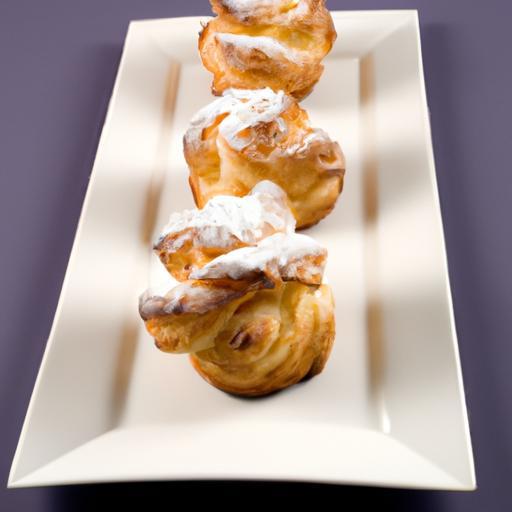
Bigné Unwrapped: Exploring the Delight Behind the Name begins with a journey into a pastry steeped in tradition and artistry. Originating from the charming neighborhoods of southern France,the bigné is more than a simple choux pastry-it’s a symbol of culinary ingenuity that has crossed borders and generations. Historically, these golden, airy puffs filled with rich creams reflected the resourcefulness of French bakers who mastered the balance between lightness and indulgence. With its delicate crust and creamy heart, each bite offers a whisper of Europe’s patisserie heritage and a party of flavour contrasts.
Beyond its roots, bigné has blossomed into a global darling, showing up in patisseries from Tokyo to New York, frequently enough adapted with local ingredients yet preserving its essence. The cultural significance of the bigné lies in its versatility: it’s as fitting for a regal banquet as it is for an intimate café conversation, bonding people over shared delight. Culinary traditions intertwine as every region adds its twist, making the bigné a canvas of unique flavors that unite food lovers around the world.
Unveiling the Unique Flavors That Define Bigné
The soul of the bigné is found not only in its aerated dough but also in the luscious fillings that breathe character into every bite. Classic versions usually feature a delicate vanilla pastry cream or chantilly cream, but contemporary interpretations introduce hints of citrus zest, rich chocolate ganache, or fragrant coffee-infused custards. The crisp exterior, baked to a perfect golden hue, offers a satisfying snap that contrasts exquisitely with the silken cream inside. Texturally, the bigné is a masterpiece of balance-airy yet ample, sweet but never overwhelming.
Crafting the Perfect Bigné at Home: A Step by Step Guide
Creating your own bigné is an achievable delight that allows you to marvel at the transformation of humble ingredients into elegant pastries. Whether preparing for a festive occasion or a weekend treat, mastering this recipe means unlocking a new level of home baking finesse.
Prep and Cook Time
- Planning: 20 minutes
- Cooking: 30 minutes
- Cooling: 15 minutes
- Total Time: 1 hour 5 minutes
Yield
About 20 medium-sized bignés
Difficulty Level
Medium – Perfect for bakers ready to elevate their pastry skills
Ingredients
- 1 cup (240 ml) whole milk
- 1/2 cup (120 ml) water
- 8 tablespoons (115 g) unsalted butter,cut into pieces
- 1 tablespoon granulated sugar
- 1/2 teaspoon fine sea salt
- 1 cup (130 g) all-purpose flour,sifted
- 4 large eggs,at room temperature
- 1 teaspoon vanilla extract
- For the vanilla Pastry Cream Filling:
- 2 cups (480 ml) whole milk
- 1/2 cup (100 g) granulated sugar
- 4 large egg yolks
- 1/4 cup (30 g) cornstarch
- 2 tablespoons (30 g) unsalted butter
- 1 teaspoon vanilla bean paste or extract
Instructions
- Prepare the choux dough: In a medium saucepan,combine milk,water,butter,sugar,and salt. Bring to a vigorous boil over medium heat, ensuring the butter fully melts.
- add the flour: Remove from heat promptly and pour in the all-purpose flour all at once. Stir vigorously with a wooden spoon until the dough pulls away from the pan and forms a smooth ball, about 1-2 minutes.
- Dry the dough: Return the pan to low heat and cook, stirring constantly to evaporate moisture, for 1-2 minutes more. Transfer the dough to a mixing bowl and let cool for 3-5 minutes.
- Incorporate eggs: Using a stand mixer fitted with a paddle attachment (or a hand mixer), beat the dough on medium speed. Add eggs one at a time, ensuring each is fully incorporated before adding the next. The dough should be glossy, thick, and fall slowly from the spoon in a ribbon.
- Pipe the bignés: preheat oven to 400°F (200°C).Line baking sheets with parchment paper. Transfer dough to a pastry bag fitted with a round tip. Pipe mounds about 1.5 inches in diameter, spaced 2 inches apart.
- Bake and dry: Bake for 15 minutes at 400°F without opening the oven. Then lower heat to 350°F (175°C),bake for an additional 15 minutes until puffed and deep golden. Avoid opening the oven door to prevent collapse.
- Cool: Remove from oven and prick each bigné with a fine skewer to let steam escape; cool fully on wire racks.
- Prepare pastry cream: In a saucepan, warm milk and vanilla until just simmering. In a bowl, whisk egg yolks, sugar, and cornstarch until pale and smooth. Gradually whisk hot milk into yolk mixture, then return to saucepan.
- Thicken cream: Cook over medium heat, whisking constantly, until thickened and bubbling, about 2-3 minutes. Remove from heat, stir in butter. Transfer to a bowl, cover with plastic wrap touching the surface, and chill until cold.
- Fill bignés: Once cooled, slice each puff halfway through, pipe or spoon pastry cream inside, then close gently.
Chef’s Notes & Tips for Success
- For perfectly smooth choux, ensure eggs are added gradually and fully incorporated, adjusting the quantity slightly if dough is too wet or dry.
- No cream piping bag? Use a resealable plastic bag with a small corner snipped off.
- Experiment by infusing pastry cream with citrus zest or coffee for a unique twist on the classic flavor.
- Bigné dough freezes well before baking; freeze piped mounds on a tray, then store in a sealed container for up to 1 month. Bake directly from frozen, adding a few extra minutes.
- To keep bignés crisp, fill just before serving.
Serving suggestions
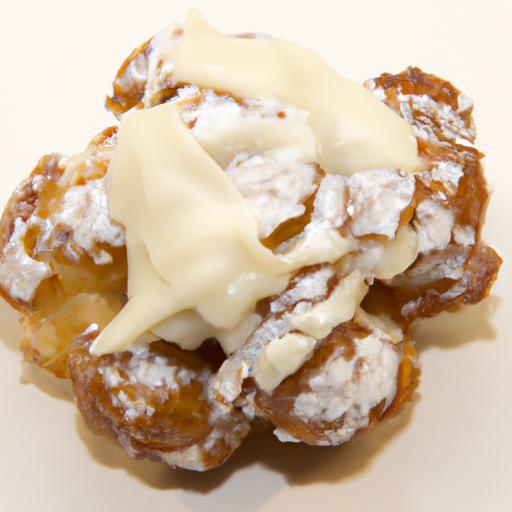
Present your bignés dusted lightly with powdered sugar or a delicate drizzle of dark chocolate glaze for contrast. Garnish with fresh berries, edible flowers, or a sprig of mint to elevate visual appeal. Ideal paired with a cup of rich espresso or a light herbal tea, these pastries are perfect for an elegant dessert platter or as a standout centerpiece at a festive brunch.

Top Places to Savor Authentic Bigné around the World
From quaint Parisian patisseries nestled along cobbled streets to innovative bakeries in Montreal and Tokyo, the bigné has found its way to discerning palates worldwide. Iconic houses like Ladurée in Paris serve exquisite versions worth every bite.For travelers craving authenticity, exploring local markets in Provence reveals handcrafted bignés filled with seasonal delights, reflecting regional terroir.
Whether enjoyed under the Eiffel Tower or in a sunlit café in Montreal’s Plateau district, each locale offers an unexpected spin on this classic, proving the bigné’s timeless appeal and cultural resonance. When you next visit a renowned pastry shop, ask for their signature bigné-you might discover a flavor adventure all your own.
| Nutrient | Per Serving (1 bigné) |
|---|---|
| Calories | 180 kcal |
| Protein | 4 g |
| Carbohydrates | 22 g |
| Fat | 8 g |
For more delightful French pastry recipes that pair beautifully with the classic bigné, explore our French pastries guide.
Q&A
Q&A: Bigné Unwrapped – Exploring the Delight Behind the Name
Q1: What exactly is a bigné?
A1: At its heart, a bigné is a French pastry gem-light, airy choux dough baked to golden perfection, then filled with luscious creams or custards. Think of it as a delicate, edible cloud, crisp on the outside, decadently soft inside.It’s the elegant cousin of the cream puff, carrying centuries of patisserie tradition.
Q2: Where does the name “bigné” come from?
A2: The term “bigné” traces its roots back to the Old French word “buigne,” meaning a bump or swelling-an apt descriptor of the pastry’s puffed-up appearance. It’s a name that captures both the physical form and the delightful surprise that awaits inside each bite.
Q3: How does the name “bigné” reflect the pastry’s character?
A3: Much like its name, the bigné embodies a charming contrast: it looks simple and unassuming but hides a burst of flavor and texture inside.The “bump” is not just physical-it symbolizes the unexpected pleasure nestled within this classic treat.
Q4: What makes a bigné different from other pastries?
A4: Unlike denser cakes or flaky pastries, the bigné relies on the magic of choux dough, which puffs up with steam to create a hollow center-perfect for filling. Its delicate shell combines with creamy fillings like vanilla custard, chocolate ganache, or fruit mousses to offer a symphony of textures and tastes.
Q5: Are bignés tied to any cultural traditions or celebrations?
A5: While not tied to a single festival, bignés carry the essence of French celebration-a treat frequently enough enjoyed during special occasions, afternoon teas, or simply as a luxurious everyday indulgence. They encapsulate the French joie de vivre, where pleasure is found in small, beautifully crafted moments.
Q6: how has the bigné evolved over time?
A6: Originally a simple choux pastry, the bigné has expanded into myriad interpretations-filled with inventive creams, glazed with vibrant icings, or decorated with nuts and fruits.Modern pastry chefs play with flavors and presentations,but the core of the bigné remains a symbol of refined simplicity and sweet surprise.
Q7: Why should pastry lovers explore the world of bigné?
A7: As every bigné tells a story-of history, craftsmanship, and the joy of indulgence. Its name invites curiosity, and its taste delivers satisfaction. For those who savor the art of pastry, discovering bignés is like unlocking a secret world where tradition meets creativity in every sumptuous bite.
In Retrospect
As we close the chapter on our journey through the world of bigné, it’s clear that this delightful pastry is more than just a name-it’s a celebration of craft, culture, and culinary joy. From its airy texture to the story behind its nomenclature, the bigné invites us to savor not only its flavors but also the rich heritage it carries with each bite. Whether you’re a seasoned pâtisserie enthusiast or a curious newcomer, understanding the delightful origins of bigné deepens our appreciation for the art of french baking. So next time you unwrap this golden treasure, remember: you’re not just tasting a pastry-you’re unwrapping centuries of tradition and delight.