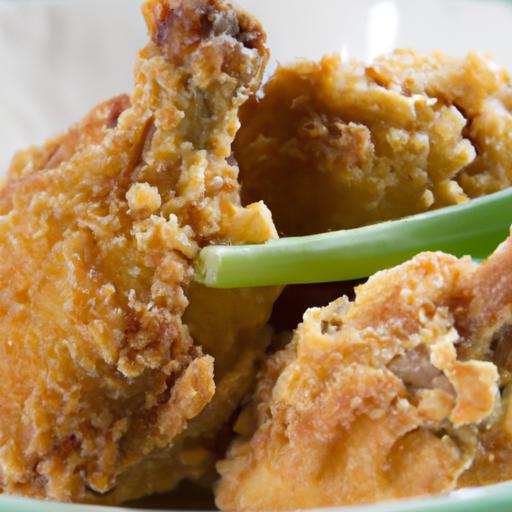

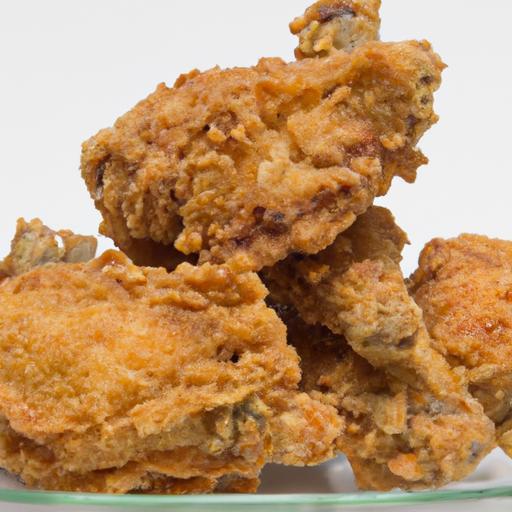
Golden, crackling, and tantalizingly tender-there’s something undeniably magical about a perfectly fried piece of buttermilk chicken. More than just comfort food, this crispy delight carries a rich heritage and a carefully guarded alchemy of flavors and techniques. But what exactly transforms a simple chicken into that irresistibly crunchy masterpiece? In this article, we’ll peel back the layers of tradition and science to uncover the secret ingredients, marination magic, and frying finesse that make buttermilk fried chicken a beloved culinary treasure. Prepare to embark on a sensory journey that will forever change the way you savor this Southern classic.
Crispy Delight: The Secrets Behind Buttermilk fried Chicken
Buttermilk fried chicken is a beloved classic that has comforted and delighted taste buds across generations. Its charm lies not just in its golden-brown allure but in the perfectly tender meat paired with an irresistibly crunchy crust. Rooted in Southern culinary tradition, this dish has earned its reputation through the magical role of buttermilk-a secret ingredient that transforms ordinary chicken into an unforgettable feast. Today, we unlock the science and art behind the ultimate tenderness and crunch, turning your kitchen into a haven for crispy delight.
Prep and Cook Time
- Planning: 20 minutes
- Marinating: 6-8 hours (overnight preferred)
- Cooking: 15-20 minutes
- total: Approximately 7 hours (including marinating)
Yield
Serves 4 hearty portions
Difficulty Level
Medium – Requires attentive marinating and frying skills
Ingredients
- 4 cups buttermilk, chilled
- 2 pounds bone-in, skin-on chicken pieces (legs, thighs, breasts)
- 2 cups all-purpose flour, sifted
- 1 tablespoon garlic powder
- 1 tablespoon smoked paprika
- 1 teaspoon cayenne pepper (adjust to taste)
- 1 tablespoon onion powder
- 1 teaspoon salt
- 1 teaspoon black pepper, freshly ground
- Vegetable oil or peanut oil for frying (enough to fill 3 inches deep in the pan)
- Optional spices: dried thyme or oregano for added aroma
Instructions
- Marinate the chicken: Submerge the chicken pieces fully in chilled buttermilk within a large bowl. Cover and refrigerate for 6-8 hours to allow the acidity to tenderize the meat deeply, breaking down proteins and infusing moisture.
- Prepare the coating: In a wide shallow dish, combine flour, garlic powder, smoked paprika, cayenne pepper, onion powder, salt, and freshly ground black pepper. Whisk until evenly blended,creating a fragrant spice mixture.
- Coat the chicken: Remove one piece of chicken from the buttermilk, allowing excess liquid to drip off. Dredge thoroughly in the seasoned flour, pressing firmly to build a thick, even layer that will fry up crisp.
- Double dip for extra crunch: For an unbeatable crunch, dip the coated piece back into the buttermilk briefly then coat again in the flour mixture. Shake off excess flour.
- Heat the oil: In a heavy-bottomed skillet or deep fryer, warm the oil to 350°F (175°C). Use a thermometer to maintain temperature for even frying.
- Fry the chicken: Carefully place the coated chicken pieces in the hot oil without overcrowding. Fry in batches, turning gently every 3-4 minutes to promote uniform golden color and prevent burning.
- Check doneness: Cook for 15-20 minutes or until the internal temperature reaches 165°F (74°C) and the crust is deep golden brown and crisp.
- Drain and rest: Remove from oil and drain on a wire rack over a baking sheet. This prevents sogginess.Let rest 5 minutes before serving to allow juices to redistribute.
Tips for Success
- Why buttermilk? Its natural acidity breaks down muscle fibers, helping the chicken retain moisture and stay juicy inside even after frying.
- Maintain oil temperature: Too hot and the coating will burn before cooking through; too low and the crust absorbs excess oil and becomes greasy.
- Dry but not too dry: Shake off excess flour but keep a thick layer on the chicken-this creates that signature crunch in every bite.
- make it ahead: Marinate overnight, then refrigerate coated chicken uncovered for an hour before frying. This helps the crust adhere better.
- Flavor variations: Experiment with adding dried herbs or citrus zest to the flour for a unique twist, or swap smoked paprika for chipotle powder for a smoky kick.
The art of Optimal Frying Techniques for Golden Crispiness
Master the frying temperature by investing in a reliable deep-fry thermometer; precision is key to avoid oily or undercooked chicken.Use a heavy-bottomed skillet or Dutch oven for consistent heat distribution. Always fry in small batches so temperature remains steady and the oil stays clean. A wire rack is crucial post-fry-never paper towels-as it prevents steam from sogging up the delicate crust.
Unlocking Flavor Variations to Elevate Your Buttermilk Fried Chicken
Take your crispy delight to another level by introducing flavor variations to your flour mixture. Incorporate curry powder, sumac, or even finely ground toasted nuts for textural depth. For a vibrant aroma, add fresh minced herbs like rosemary or thyme directly to your buttermilk marinade to infuse subtle complexity before frying. These simple shifts make each rendition uniquely memorable.
Serving Suggestions
serve your golden buttermilk fried chicken hot with classic Southern sides such as creamy coleslaw or buttery mashed potatoes. Garnish with fresh parsley and lemon wedges for a burst of color and brightness. For visual appeal, arrange chicken on a rustic wooden board lined with parchment paper, and drizzle a little honey or hot sauce for those who love a sweet-spicy contrast.
| Nutrient | Per Serving |
|---|---|
| Calories | 480 kcal |
| Protein | 35 g |
| Carbohydrates | 22 g |
| Fat | 25 g |

Discover more soul-satisfying Southern recipes like our Southern Macaroni and Cheese to complement this dish perfectly.
For deeper understanding of the science behind marinating, visit this complete guide from Serious Eats.
Q&A
Q&A: Crispy Delight – the Secrets behind Buttermilk Fried Chicken
Q1: What makes buttermilk fried chicken so irresistibly crispy and flavorful?
A1: The magic lies in the buttermilk marinade and the double-dredge technique. Buttermilk’s tangy acidity tenderizes the chicken, breaking down proteins for juicy insides, while its natural sugars help develop a golden, crispy crust. Coupled with a seasoned flour coating-sometimes twice applied-the result is that coveted crunchy exterior bursting with flavor.
Q2: Why is buttermilk preferred over regular milk or water in the marinade?
A2: Buttermilk isn’t just regular milk’s tangy cousin; it’s a powerhouse of enzymes and acids. These elements gently break down muscle fibers, making the chicken tender without turning it mushy. Plus, the slight acidity helps the spices penetrate deeper, creating a layered taste experience you won’t get with plain milk or water.
Q3: How long should chicken soak in buttermilk to achieve optimal flavor and texture?
A3: Patience is key! For best results, let your chicken bathe in buttermilk for at least 4 hours, though overnight (8-12 hours) is even better.This extended soak ensures every bite is juicy and infused with subtle tang, setting a perfect stage for the crispy crust.
Q4: Are there any secret spices or ingredients that elevate the coating?
A4: Absolutely! Beyond the classic salt and pepper, many cooks sneak in a blend of paprika for smoky warmth, garlic and onion powders for savory depth, and a pinch of cayenne for a gentle heat kick. Some even add cornmeal or crushed crackers for extra crunch. The secret is balancing these to complement-not overpower-the chicken’s natural flavor.
Q5: what frying techniques help lock in crispiness without being greasy?
A5: Temperature control is everything. Maintaining oil at a steady 325-350°F (163-177°C) crisps the coating quickly, sealing in juices.Frying in small batches prevents the oil temperature from dropping,avoiding soggy results. resting the fried chicken on a wire rack-not paper towels-lets excess oil drip away while keeping the crust crunchy.Q6: Can buttermilk fried chicken be made healthier without sacrificing crispiness?
A6: Yes! Oven-frying or air-frying are great alternatives that reduce oil while still delivering a satisfying crunch. Using whole wheat flour or panko breadcrumbs can add fiber and texture. Additionally, tweaking the seasoning to reduce salt and opting for skinless cuts can lighten the dish while preserving its iconic flavor profile.Q7: What’s the best way to reheat leftover buttermilk fried chicken to maintain its crispiness?
A7: Resist the microwave-it turns crispiness limp! instead, pop your chicken into a preheated oven at 375°F (190°C) for 10-15 minutes.This method revives that golden crust while warming the juicy meat inside, making leftovers taste almost as good as fresh.
Q8: Why has buttermilk fried chicken become a beloved classic across cultures?
A8: Beyond its mouthwatering taste, buttermilk fried chicken evokes comfort and nostalgia. Its blend of simple ingredients and timeless techniques is a culinary canvas, adaptable and deeply satisfying. Whether shared at family dinners or festive gatherings, it’s a crispy celebration of tradition and flavor that transcends borders.
concluding Remarks
As the final golden bite of buttermilk fried chicken fades, we’re reminded that its irresistible crispiness and tender juiciness are no accident-they’re the result of time-honored techniques and a few well-guarded secrets. From the tangy embrace of the buttermilk marinade to the artful balance of seasoning and frying temperature, every step plays a starring role in creating that perfect harmony of crunch and flavor. So next time you savor a piece of this crispy delight, you’ll taste not just a meal, but a rich tradition brought to life by science, patience, and a passion for perfection. Now,armed with these insights,it’s your turn to recreate the magic in your own kitchen-as the secret to extraordinary buttermilk fried chicken lies in your hands.