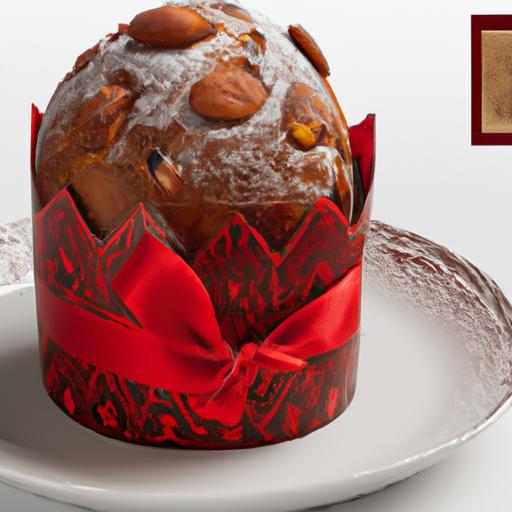

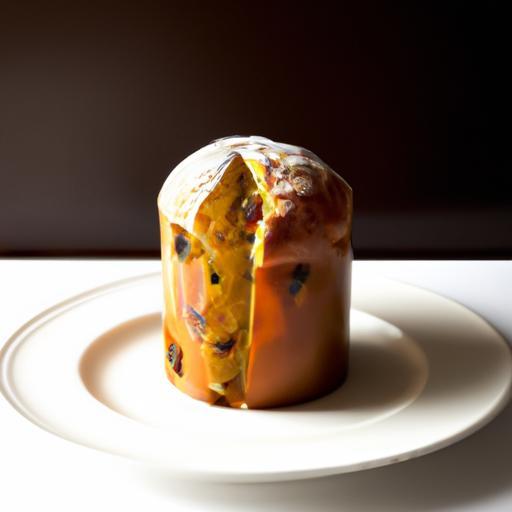
Nestled within the bustling holiday markets of Italy and gracing festive tables worldwide, the panettone stands as more than just a sweet treat-it is a symbol of tradition, craftsmanship, and cultural pride. This lofty, golden loaf, studded with candied fruits and soft raisins, carries with it centuries of history, whispered legends, and artisanal secrets passed down through generations. Join us as we unwrap the story behind Italy’s beloved panettone, exploring its origins, its evolution from humble beginnings to festive icon, and the enduring passion that makes this cake much more than a seasonal indulgence.
Panettone Unwrapped: Delving into the rich history and evolution of Italy’s iconic sweet bread reveals much more than just a festive treat. Originating from Milan, this airy and fragrant panettone embodies centuries of tradition, passion, and cultural significance within Italian holiday celebrations. Its delicate crumb and signature dome shape tell a story of artisanal craft, combining simple yet carefully selected ingredients, passed down through generations.
Prep and Cook Time
- Preparation: 30 minutes (plus 18-24 hours for fermentation)
- Cook Time: 50-60 minutes
- Total time: Approximately 20-24 hours (including proofing)
Yield
- 1 large panettone (about 12 servings)
Difficulty Level
- Advanced: Requires patience,precision,and understanding of yeast fermentation
ingredients
- 500g all-purpose flour,sifted
- 120g granulated sugar
- 150ml whole milk,lukewarm
- 150g unsalted butter,room temperature
- 4 large egg yolks,at room temperature
- 7g active dry yeast
- 200g mixed dried fruits (candied orange peel,lemon zest,raisins,soaked in warm water for 15 minutes and drained)
- 1 tsp pure vanilla extract
- ½ tsp fine sea salt
- Zest of 1 lemon and 1 orange
- Optional: 1 tbsp honey for extra richness
Instructions
- Prepare the starter: In a small bowl,dissolve yeast in lukewarm milk with a pinch of sugar. Let it activate for 10 minutes until frothy.
- Mix dry ingredients: In a large bowl, combine flour, sugar, and salt. Stir in the citrus zests.
- Combine wet elements: Beat egg yolks with vanilla extract and honey (if using). Gently fold into the dry mix along with the activated yeast mixture.
- Knead the dough: Transfer mixture onto a floured surface and knead for 15 minutes until elastic and smooth. Alternatively, use a stand mixer fitted with a dough hook at medium speed for 10 minutes.
- Incorporate butter: Gradually cube and add room temperature butter to the dough. Continue kneading until fully absorbed, resulting in a soft, slightly sticky dough.
- First rise: Place dough in a greased bowl, cover with a damp cloth, and allow it to rise at room temperature for about 2 hours or until doubled in size.
- Fold in fruits: Gently stretch and fold the dough to incorporate the drained dried fruits evenly without crushing them.
- Second rise: Shape dough into a ball and place in a buttered panettone mold or high-sided baking tin. Cover loosely and proof for 6-8 hours (or overnight in the refrigerator for a slower rise), until puffed and nearly doubled.
- Preheat oven: Set oven to 180°C (350°F). Before baking, score a cross on the dough top and place a pat of butter at its center.
- Bake: Place panettone in the preheated oven for 50-60 minutes. Check doneness by inserting a skewer into the center; it should come out clean. Cover loosely with foil if browning too quickly.
- Cool and rest: Remove from oven, immediately invert panettone and suspend it by skewers or wooden chopsticks to cool completely. This prevents collapse and keeps its signature airy texture.
Tips for Success
- Use fresh yeast or high-quality active dry yeast for a reliable rise.
- Allow ample time for fermentation; panettone achieves its famous light crumb only through slow, patient proofing.
- incorporate dried fruits by gently folding rather than mixing aggressively to keep the dough structure intact.
- For a more intense citrus aroma, briefly soak the zest in the liquid ingredients before mixing.
- Store panettone wrapped in parchment paper inside an airtight container to maintain freshness up to 1 week.
- Try substituting mixed dried fruits with chopped roasted nuts or vegan chocolate chips for a creative twist.
Serving Suggestions
Slice the panettone lightly dusted with powdered sugar or lightly toasted for a delicate crunch. Complement it with a dollop of mascarpone cream or a drizzle of high-quality honey. Embrace tradition by serving alongside robust Italian coffee, such as an espresso or macchiato. For an elevated experience, pair with non-alcoholic Italian sodas or aromatic herbal teas.

Pairing Panettone Unwrapped: Wines and Coffees for an Authentic Experience
While panettone is frequently enough linked with festive Italian wines, its complex sweetness and delicate crumb also shine when paired thoughtfully with non-alcoholic Italian favorites like rich espresso, strong cappuccino, or creamy caffè latte. For those seeking a wine pairing without pork-based flavors, a sparkling Italian Moscato d’Asti offers a fruity, effervescent balance that enhances the panettone’s candied fruit notes without overpowering its subtle buttery character.
| Nutrient | Per Serving |
|---|---|
| Calories | 310 kcal |
| Protein | 6 g |
| Carbohydrates | 48 g |
| Fat | 10 g |
Modern Twists on Panettone Unwrapped: Innovative Flavors to Try
Innovation keeps the tradition alive. Contemporary bakers experiment by infusing panettone with exotic flavors like saffron and pistachio, or swapping classic dried fruit for velvety white chocolate chunks and tart cranberries. Vegan versions incorporate plant-based butter and aquafaba for an egg-free masterpiece. Whichever path you choose, these inventive variations honor the spirit of panettone unwrapped-celebrating heritage while embracing personal culinary creativity.
For more on Italian baking essentials and related recipes, check our comprehensive Italian Baking Guide. For authenticity verification and historical insight, explore Britannica’s detailed article on panettone.
Q&A
Q&A: Panettone Unwrapped – The Story Behind Italy’s Sweet Icon
Q1: What exactly is Panettone?
A1: Panettone is much more than just a dessert; it’s a feather-light, dome-shaped sweet bread bursting with candied fruits and raisins. Hailing from Milan, it has become an indispensable part of Italian Christmas traditions, symbolizing warmth, family, and festive joy.
Q2: How did Panettone originate?
A2: legend paints Panettone’s origin as an accidental masterpiece. One story tells of a young nobleman’s kitchen apprentice, Toni, who, trying to save a burnt dessert, mixed leftover dough with eggs, sugar, butter, and dried fruits, creating the “Pane di Toni” – eventually shortened to Panettone. Historically, it surfaced in Milan during the Middle Ages, blending humble ingredients with festive spirit.
Q3: What makes panettone so special compared to other holiday cakes?
A3: The magic lies in its extended fermentation process, which gives Panettone its airy, almost cloud-like texture. Unlike heavier fruitcakes, Panettone is light, slightly sweet, and fragrant, balancing buttery richness with the zing of citrus and raisins. It’s both a feast for the palate and a symbol of Italian artisan craftsmanship.
Q4: Are there regional variations of Panettone across Italy?
A4: While Milan’s Panettone reigns supreme, other regions offer intriguing twists. Some add chocolate chips, others substitute candied fruits with jams or nuts.Southern Italy might lean toward denser, ricotta-filled versions. Still, the classic Milanese recipe remains the gold standard beloved worldwide.
Q5: How has Panettone evolved in modern times?
A5: Today’s Panettone stretches creativity beyond tradition, with versions featuring exotic flavors like matcha, espresso, or tropical fruit. Artisanal bakers experiment daringly, baking gluten-free, vegan, and miniature versions-turning Panettone into a canvas for innovation while honoring its storied past.
Q6: How is Panettone typically enjoyed in Italy?
A6: Italians savor Panettone with a glass of sparkling wine, a cup of rich espresso, or drizzled with mascarpone cream. It’s not just a dessert; it’s a shared experience, bringing loved ones together around the table during the Christmas season.
Q7: Can Panettone be enjoyed year-round?
A7: While traditionally reserved for Christmas and New Year, the growing affection for Panettone means you can find it year-round in specialty bakeries. Its delightful taste makes for an anytime indulgence-perfect with morning coffee or afternoon tea.
Q8: What does Panettone symbolize in Italian culture?
A8: Panettone embodies party, generosity, and homecoming. It’s more than food-it’s a cultural emblem wrapped in history and tradition, reminding Italians of the importance of family and the joy found in shared rituals.
With layers of history folded into every slice, Panettone is not just Italy’s festive sweet-it’s a living tradition, inviting everyone to unwrap a story of heritage, love, and Italian artistry. Buon appetito!
Closing Remarks
As the aroma of freshly sliced Panettone lingers in the air,we come to appreciate that this humble dome of golden dough is much more than just a festive treat. It is indeed a appetizing tapestry woven from centuries of Italian tradition, innovation, and regional pride-a sweet icon that continues to bring families together around the holidays and beyond. Whether enjoyed plain, studded with candied fruits, or paired with a glass of sparkling wine, Panettone carries with it stories of craftsmanship and celebration that transcend time. So next time you unwrap this airy masterpiece, remember: you’re savoring a slice of Italy’s rich cultural heritage, lovingly baked into every bite.