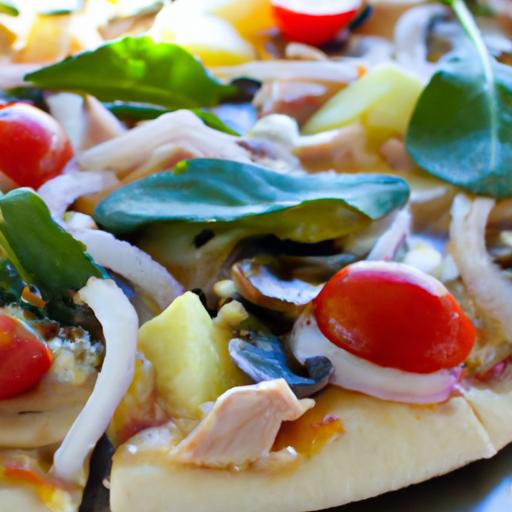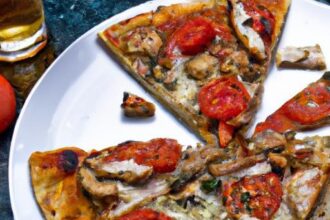

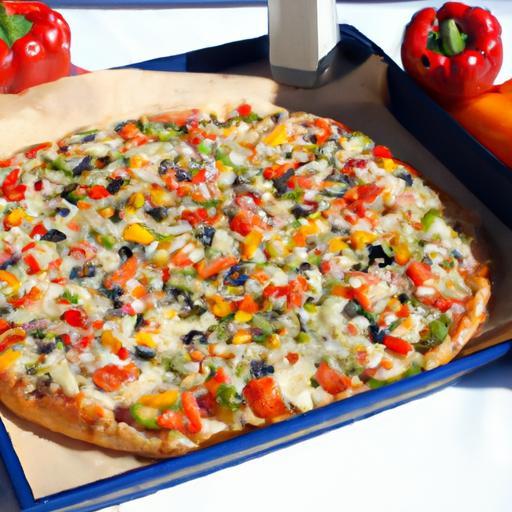
Beneath the radiant sun of the Mediterranean, a culinary masterpiece has captured the hearts and palates of food lovers around the world: the mediterranean pizza. More than just a meal, it’s a vibrant party of bold flavors, fresh ingredients, and timeless traditions that come together in every delightful slice. From sun-kissed tomatoes to fragrant herbs, and creamy cheeses to briny olives, Mediterranean pizza is a flavorful slice of sunshine that brings a taste of coastal bliss right to your table. In this article, we’ll explore the magic behind this iconic dish, uncovering its rich heritage, unique ingredients, and the artful balance that makes Mediterranean pizza a true gastronomic treasure.
Mediterranean Pizza Magic is not just a meal; it’s a vivid celebration of sun-drenched coastlines, fragrant herbs, and wholesome ingredients that come together to create a slice of culinary sunshine. This artisanal dough, kissed by olive oil and baked to golden perfection, forms the soul of every bite, inviting you to explore the rich tapestry of authentic Mediterranean toppings that balance earthy, tangy, and fresh flavors in perfect harmony.
prep and Cook Time
- Preparation time: 20 minutes (plus 1 hour dough rising)
- Cooking Time: 12-15 minutes
- Total Time: Approximately 1 hour 35 minutes
Yield
Makes 2 large 12-inch pizzas, serving 4-6 people
Difficulty Level
Medium – Great for home cooks eager to elevate their pizza game with authentic Mediterranean flair
Ingredients
- For the dough:
- 2 ½ cups all-purpose flour, sifted
- 1 teaspoon fine sea salt
- 1 teaspoon sugar
- 1 packet (7g) active dry yeast
- 1 cup warm water (110°F / 43°C)
- 2 tablespoons extra virgin olive oil
- For the toppings:
- ¾ cup whole milk mozzarella, shredded
- ½ cup crumbled feta cheese
- 1 medium ripe tomato, thinly sliced
- ½ cup pitted Kalamata olives, halved
- 1 small red onion, thinly sliced
- 1 small handful fresh basil leaves
- 1 tablespoon fresh oregano, finely chopped
- 2 tablespoons extra virgin olive oil (for drizzling)
- 1 teaspoon freshly ground black pepper
- Sea salt, to taste
Instructions
- Activate the yeast: In a small bowl, combine warm water, sugar, and yeast. Stir gently and let it sit for 5-7 minutes until frothy and bubbly, signaling active yeast.
- prepare the dough: In a large mixing bowl, whisk flour and sea salt. Create a well in the center and pour in the activated yeast and olive oil. Stir with a wooden spoon until a rough dough forms.
- knead to perfection: Lightly flour a clean work surface and knead the dough for about 8-10 minutes until smooth, elastic, and slightly tacky but not sticky.
- Let it rise: Form the dough into a ball and place it in a lightly oiled bowl, turning to coat the surface with oil. Cover with a clean kitchen towel or plastic wrap. Allow it to rise in a warm, draft-free place for 1 hour or until doubled in size.
- Shape the pizza base: preheat your oven to 475°F (245°C) with a pizza stone or baking sheet inside to heat. Punch down the dough and divide it into two equal portions. On a floured surface, roll or stretch each dough ball into a 12-inch circle, leaving a slightly thicker rim for a crust that crisps beautifully.
- Layer the toppings: Transfer one dough circle to a parchment-lined peel or baking sheet. Scatter half the mozzarella evenly, followed by tomato slices, Kalamata olives, and red onion. Sprinkle crumbled feta, fresh oregano, and a pinch of sea salt and black pepper.
- Bake to golden perfection: Slide the pizza onto the preheated stone or baking sheet. Bake for 12-15 minutes, rotating halfway, until the crust is golden and blistered with a perfect crisp and the cheese bubbles invitingly. Remove from oven.
- Finish with fresh herbs and olive oil: Drizzle with extra virgin olive oil and scatter fresh basil leaves just before serving to brighten the flavors and add a refreshing finish.
- Repeat: Prepare the second pizza following the same steps or freeze the shaped dough for a make-ahead option.
Tips for Success
- Flour choice: using bread flour will yield a chewier crust, while all-purpose flour creates a tender base – both are great depending on texture preference.
- Hydration matters: Slightly wetter dough gives a lighter crust; add water 1 tablespoon at a time if needed.
- Stretch, don’t roll: For a more rustic look and airy bubbles, gently stretch with your hands instead of rolling pin.
- Olive oil quality: Invest in a robust extra virgin olive oil with peppery notes to elevate the flavor of both dough and drizzle.
- Toppings balance: Less is more – don’t overload the pizza to maintain a crisp crust and balanced flavor.
- Make-ahead dough: Refrigerate dough for up to 24 hours for deeper flavor development; bring to room temperature before shaping.
- Oven baking: A pizza stone or steel heats evenly to ensure a crisply blistered bottom – preheat for at least 45 minutes.
Serving Suggestions
Slice your Mediterranean creation thin to savor every nuanced flavor.Pair with a simple mixed greens salad tossed in lemon juice and a drizzle of olive oil for a refreshing contrast. Garnish each slice with a few torn basil leaves and an extra splash of chili-infused olive oil if you like a subtle kick.

Nutritional Information
| Nutrient | Per Serving (1/6 of pizza) |
|---|---|
| Calories | 280 kcal |
| Protein | 12 g |
| Carbohydrates | 32 g |
| fat | 10 g |
For a deeper dive into Mediterranean flavors and complementary dishes, check out our Mediterranean Herbs and Spices Guide. To explore the storied history behind Mediterranean olive oils and their health benefits, visit international Olive Council.
Q&A
Q&A: Mediterranean Pizza Magic – A Flavorful Slice of sunshine
Q1: What makes Mediterranean pizza different from conventional pizza?
A1: Mediterranean pizza is like taking a sunny stroll along the coast of the Mediterranean Sea-bursting with vibrant colors, fresh ingredients, and bold flavors. Unlike the classic heavy tomato sauce and greasy toppings, it frequently enough features olive oil, fresh herbs like oregano and basil, tangy feta cheese, olives, sun-dried tomatoes, artichokes, and sometimes even seafood. It’s lighter, more aromatic, and a celebration of wholesome, natural goodness.
Q2: Why is it called a “Flavorful Slice of Sunshine”?
A2: The Mediterranean region is famous for its sunny climate,which nurtures an abundance of fresh vegetables,herbs,and fruits. Each bite of Mediterranean pizza captures that sunlight-infused freshness-think zesty lemon notes, fragrant herbs, and the rich sweetness of ripe tomatoes. It’s like tasting a warm Mediterranean afternoon, transformed into a appetizing slice of pizza.
Q3: Can you describe the typical crust used for Mediterranean pizza?
A3: The crust often leans toward the rustic side-thin and crisp around the edges but still tender in the middle. Many Mediterranean pizzas showcase a hand-stretched,artisan-style dough made from simple ingredients,sometimes with a drizzle of olive oil to boost that golden,glossy finish. This crust isn’t just a base; it’s the perfect canvas to highlight the vibrant toppings.
Q4: What are some key Mediterranean ingredients to look for in this pizza?
A4: Expect to find olives (black or green), creamy feta cheese or tangy ricotta, sun-dried tomatoes bursting with concentrated flavor, artichoke hearts, capers, garlic, fresh basil and oregano, and sometimes thin slices of eggplant or zucchini. A sprinkle of pine nuts or a drizzle of balsamic glaze can add an extra layer of magic.
Q5: Is Mediterranean pizza suitable for vegetarians or vegans?
A5: Absolutely! Many Mediterranean pizzas are inherently vegetarian, thanks to their plant-forward ingredients and flavorful cheeses. For vegan options, it’s easy to skip the cheese or substitute with dairy-free alternatives. The abundance of fresh vegetables, herbs, and olive oil ensures the pizza remains irresistible-proof that flavor doesn’t need to come from meat or dairy alone.
Q6: How can someone recreate the magic of Mediterranean pizza at home?
A6: Start with a simple dough and brush the base lightly with good quality extra virgin olive oil instead of heavy tomato sauce. Layer on your favorite Mediterranean gems-roasted red peppers, olives, artichokes, cherry tomatoes, and crumbled feta. Don’t forget fresh herbs and a squeeze of lemon juice after baking for that bright finish. Bake until the crust is crisp and the cheese just melts-then savor your very own slice of sunshine.
Q7: What drinks pair best with Mediterranean pizza?
A7: Think refreshing and light: a chilled glass of crisp white wine like Sauvignon Blanc,a sparkling rosé,or even an herbal iced tea infused with mint and lemon. The goal is to complement the pizza’s fresh, zesty flavors without overpowering them. For a non-alcoholic twist, sparkling water with a splash of citrus works wonders.
Q8: Why is Mediterranean pizza considered a healthier option?
A8: it embraces the mediterranean diet’s principles-rich in vegetables, healthy fats like olive oil, and lean proteins or plant-based toppings.The focus on fresh ingredients and minimal processed cheese reduces excessive saturated fats and calories. It’s pizza that satisfies your cravings while nodding to wellness and balance. Who said indulgence and health don’t mix?
Dive into the joyful, sun-drenched world of Mediterranean pizza-where every slice tells a story of tradition, warmth, and flavorful magic. Bon appétit!
Final Thoughts
As the final slice of our Mediterranean pizza adventure melts on your tongue,it’s clear that this vibrant blend of sun-kissed ingredients and timeless tradition offers more than just a meal-it’s a flavorful celebration of culture and coastal charm. Whether draped in tangy olives, creamy feta, or fragrant herbs, each bite transports you to the breezy shores of the Mediterranean. So next time you crave a slice that’s as nourishing to the soul as it is to the palate, remember: with Mediterranean pizza, you’re not just enjoying food-you’re tasting a slice of sunshine.