
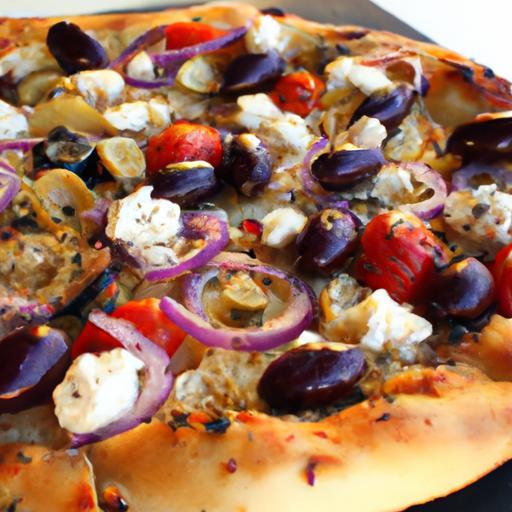
Step into a world where Mediterranean sunshine meets the comforting embrace of a golden crust-welcome to the enchanting realm of Greek pizza. At the heart of this culinary delight lies the unmistakable burst of tangy Kalamata olives, whose rich, briny notes elevate every bite into an remarkable experience. More than just a topping, these deep purple gems carry centuries of tradition and flavor, transforming an ordinary pizza into a vibrant celebration of greek heritage. Join us as we explore the magic behind Kalamata olives and discover how they bring a tantalizing twist to your next pizza adventure.
Savor Greek Pizza Magic with Tangy Kalamata olives by mastering the foundation: a soft yet crispy dough infused with Mediterranean warmth. The soul of authentic Greek pizza begins with its dough-airy, tender, and slightly chewy, providing the perfect canvas for bold, briny toppings like Kalamata olives. Drawing inspiration from traditional greek bakeries, this dough embraces extra virgin olive oil and a kiss of oregano, evoking the sun-drenched island flavors that make Greek cuisine irresistible.
Prep and Cook Time
- Preparation: 20 minutes
- Rising Time: 1 hour 30 minutes
- Cooking Time: 12-15 minutes
- Total Time: Approximately 2 hours
Yield
Serves 4 hungry guests (one 12-inch pizza per person)
Difficulty Level
Medium – beginner-kind with step-by-step guidance to achieve pizza perfection
Ingredients
- 2 ½ cups all-purpose flour, sifted, plus extra for dusting
- 1 cup warm water (about 110°F/43°C)
- 2 tsp active dry yeast
- 1 tbsp granulated sugar
- 2 tbsp high-quality extra virgin olive oil, plus more for greasing
- 1 tsp sea salt
- 1 tsp dried oregano
Instructions
- Activate the yeast: In a small bowl, combine warm water, sugar, and yeast. Let it sit for 5-7 minutes until frothy and bubbling, signaling that the yeast is alive and ready.
- Mix dry ingredients: In a large mixing bowl, whisk together the sifted flour, sea salt, and dried oregano to evenly distribute the flavors.
- Form the dough: Pour the yeast mixture and olive oil into the flour blend.Stir with a wooden spoon until a shaggy dough forms. If too sticky, sprinkle a bit more flour, one tablespoon at a time.
- Knead to perfection: transfer dough onto a floured surface. Knead vigorously for 8-10 minutes until the dough turns smooth, elastic, and slightly tacky but not sticky.
- First rise: Lightly oil a large bowl and place the dough inside, turning once to coat with oil. Cover with a clean kitchen towel or plastic wrap. Let it rise in a warm spot for 1-1.5 hours until doubled in size.
- Shape the pizza base: Punch down the dough gently to release trapped air. On a floured surface,roll or stretch the dough into a 12-inch round.If the dough resists stretching, allow it to relax for 5 minutes and try again.
- Preheat your oven: Place a pizza stone or an inverted baking sheet inside and heat your oven to 475°F (245°C) at least 30 minutes before baking.
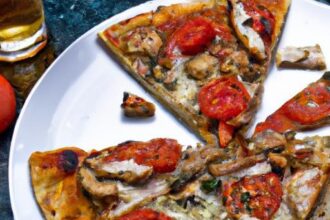
- Prepare the toppings: Arrange your favorite Greek pizza ingredients-slices of tangy Kalamata olives, crumbled feta, ripe tomatoes, thinly sliced red onion, and fresh basil-just before baking for brightest flavors.
- Bake to golden crispness: Transfer the shaped dough to a pizza peel dusted with flour or cornmeal. Slide onto the preheated stone or baking sheet. Bake for 12-15 minutes until the crust is golden and crisp with slight charring.
- Finish and serve: Remove from oven and drizzle with a little extra virgin olive oil. Sprinkle fresh oregano and cracked black pepper. Slice and enjoy your Mediterranean masterpiece immediatly.
Tips for Success
- Flour flexibility: Using bread flour rather of all-purpose flour yields a chewier crust,perfect for those who love a hearty bite.
- Olive oil boost: Don’t skimp on extra virgin olive oil-it enhances both the dough’s tenderness and the Mediterranean aroma.
- Rising surroundings: For best dough rise, place the bowl inside your turned-off oven with just the oven light on for gentle warmth.
- Make-ahead option: Prepare the dough up to the first rise, refrigerate overnight, then shape and bake the next day for deeper flavor complexity.
- Don’t overload toppings: Keep toppings light to ensure the crust crisps nicely-especially when using oily Kalamata olives.
- Substitutions: Fresh oregano can replace dried,and substitute Kalamata olives with green Castelvetrano for a milder tang.
Serving Suggestions
Serve your Greek pizza sprinkled with freshly torn basil and a scattering of arugula for peppery freshness. A wedge of lemon on the side brightens the rich olive flavors beautifully. Pair with a chilled cucumber-tomato salad drizzled with lemon-olive oil dressing for a harmonious Mediterranean meal. For an elegant touch, add a drizzle of honey and toasted pine nuts just before serving-creating a perfect marriage of savory and sweet.

Nutritional Information
| Nutrient | Per Serving |
|---|---|
| Calories | 320 |
| Protein | 9g |
| Carbohydrates | 40g |
| Fat | 11g |
Explore more Mediterranean delights and perfect your topping combos in our Mediterranean Pizza Toppings Guide. For detailed insights into the nutritional richness of Kalamata olives, visit the Olive Oil Times.
Q&A
Q&A: Savor Greek Pizza Magic with Tangy Kalamata Olives
Q1: What makes Kalamata olives a perfect topping for greek-style pizza?
A1: Kalamata olives bring a vibrant, tangy burst of flavor that instantly transports your taste buds to the sun-kissed shores of Greece. Their deep purple hue and robust, slightly fruity taste add a savory complexity that complements traditional pizza ingredients like feta cheese, fresh tomatoes, and aromatic herbs.
Q2: how do Kalamata olives enhance the overall flavor profile of the pizza?
A2: These olives contribute a delightful balance of salty and tangy notes, acting as a natural flavor amplifier. Their briny richness cuts through the creaminess of cheese and sweetness of tomato sauce,creating a harmonious blend that elevates every bite into a mediterranean masterpiece.
Q3: Can Kalamata olives be used on all types of pizza, or are they best suited for Greek-style recipes?
A3: While Kalamata olives shine brightest on Greek-inspired pizzas-paired with ingredients like spinach, red onions, and artichokes-they also add a gourmet twist to various styles. Whether it’s a classic Margherita or a full-bodied meat lovers pizza, these olives bring an unexpected yet welcome punch of zest.
Q4: Are there any tips for preparing Kalamata olives before adding them to pizza?
A4: for a perfect textural contrast, pit the olives and slice them thinly so their flavor distributes evenly. To avoid overpowering the pizza, rinse them briefly to mellow the intensity, unless you prefer that bold, tangy kick. Adding them fresh after baking preserves their juicy vibrancy and distinct aroma.
Q5: How can Kalamata olives complement other traditional Greek pizza ingredients?
A5: Kalamata olives harmonize beautifully with feta’s crumbly tanginess, fresh oregano’s earthiness, and succulent cherry tomatoes. This trio creates a flavor symphony emblematic of Greek cuisine-shining, savory, and utterly crave-worthy. The olives act as the flavorful anchor that ties these elements together.
Q6: What’s a simple recipe idea to try Greek pizza with Kalamata olives at home?
A6: Start with a thin crust brushed with garlic-infused olive oil. Spread a base of tomato sauce, sprinkle crumbled feta, scatter halved cherry tomatoes and thin slices of red onion. Top generously with Kalamata olives and a sprinkle of fresh oregano.Bake until golden and bubbly, then finish with a drizzle of extra virgin olive oil for that authentic Greek touch.
Q7: Why is incorporating Kalamata olives into pizza considered a healthy choice?
A7: Beyond their bold taste, Kalamata olives are rich in heart-healthy monounsaturated fats, antioxidants, and anti-inflammatory compounds. Adding them to your pizza not only boosts flavor complexity but also contributes to a nutritious Mediterranean-inspired meal.
Q8: Can Kalamata olives be substituted if they are hard to find, and what would be the best choice?
A8: While Kalamata olives have a unique flavor, black olives or Castelvetrano olives can serve as milder substitutes. However, to capture that characteristic tangy punch, mixing a small amount of finely chopped capers or a splash of lemon juice can help mimic the brightness Kalamatas provide.
Experience the magic of Greek pizza by embracing the tangy, savory soul of Kalamata olives-a small ingredient with a mighty flavor legacy!
In Retrospect
As you close the chapter on this culinary journey, it’s clear that Greek pizza is more than just a meal-it’s a celebration of vibrant flavors and timeless traditions. The tangy Kalamata olives, with their briny depth and subtle fruitiness, transform each bite into a symphony of taste that dances on the palate. Whether you’re a seasoned foodie or a curious newcomer, embracing the magic of Greek pizza with Kalamata olives invites you to savor a slice of Mediterranean heritage right at your table. So next time hunger calls, let your cravings be guided by the rich, tangy allure of Kalamata-because pizza, in all its global glory, has never tasted quite this enchanting.