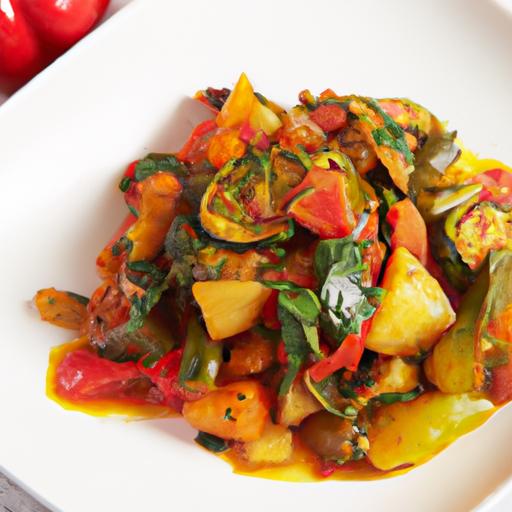

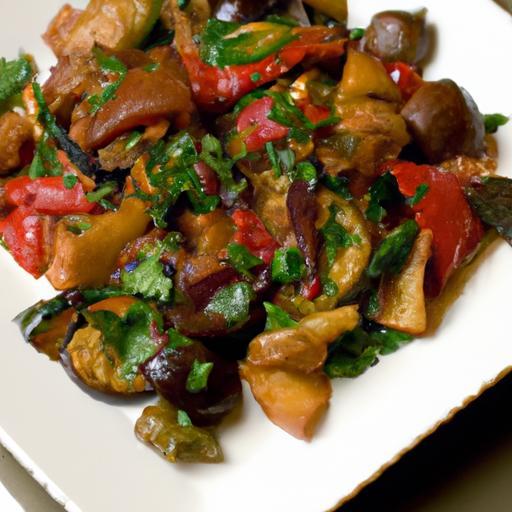
Nestled in the heart of Sicily’s sun-kissed kitchens lies a vibrant mosaic of flavors known as Caponata Siciliana – a sweet and tangy eggplant delight that tells a story of the island’s rich heritage in every bite. This beloved Sicilian dish, bursting with layers of tender eggplant, tomatoes, olives, and capers, strikes a perfect balance between savory and subtly sweet, capturing the essence of Mediterranean cooking. More than just a side or appetizer, Caponata embodies Sicily’s passion for turning humble, local ingredients into a culinary masterpiece that dances on the palate. Join us as we explore the origins,ingredients,and irresistible charm of this iconic dish,a true taste of the island’s soul.
Caponata Siciliana invites you on a vibrant journey through Sicily’s sun-drenched landscapes, where sweet and tangy flavors harmonize in a culinary masterpiece. This traditional Sicilian vegetable stew has long been cherished for its delightful balance of textures, zesty contrasts, and rich cultural heritage. Rooted in the fusion of Mediterranean influences-from Arab to Spanish-the dish is a true reflection of Sicily’s storied history, combining humble ingredients into a feast that celebrates simplicity and depth.
Origins and Traditions Behind Caponata Siciliana
The origins of Caponata Siciliana date back several centuries, emerging from the island’s abundance of fresh produce and maritime trade.This sweet and sour eggplant dish was originally a staple of peasant kitchens, designed to preserve summer’s bounty through a complex interplay of vinegar, sugar, and olives. Over time, it evolved into a beloved icon of Sicilian identity, frequently enough passed down as a cherished family recipe. Traditionally served as an antipasto or side, its robust flavors awaken the palate and tell a story of Sicily’s multicultural past-where Arab, Norman, and Spanish culinary touches infused the local fare.
Key Ingredients That Bring caponata to Life
- 2 large eggplants (about 1.5 lbs), cubed and salted to remove bitterness
- 1 cup celery stalks, diced for crisp texture
- ½ cup green olives, pitted and chopped, providing briny depth
- ¼ cup capers, rinsed for tart intensity
- 1 large onion, finely chopped for natural sweetness
- 3 medium ripe tomatoes, peeled and diced for fresh acidity
- ¼ cup red wine vinegar, the essential tangy backbone
- 2 tbsp sugar, balancing the acidity with a hint of sweetness
- ½ cup extra-virgin olive oil, golden and fruity for sautéing
- Fresh basil leaves, torn for aromatic brightness
- Pinch of sea salt and black pepper, to season thoughtfully
Prep and Cook Time
- Preparation: 25 minutes
- Cooking: 35 minutes
- Total: 60 minutes
Yield
Serves 6-8 as an appetizer or side dish.
Difficulty Level
Medium – requires attention to layering flavors and managing textures for the perfect balance.
Step by Step Guide to Mastering the Perfect Texture and Flavor
- Prepare the eggplant: Salt the cubed eggplant and let it rest in a colander for 20 minutes.This draws out bitterness and excess moisture. Rinse and pat dry with paper towels to ensure crisp frying.
- Sauté the vegetables: Heat half the olive oil in a large skillet over medium heat.Fry the eggplants in batches until golden and tender,about 6 minutes per batch. Remove and set aside on paper towels.
- Cook the aromatics: In the same pan, add the remaining olive oil, then sauté onions and diced celery until softened and translucent, roughly 8 minutes.
- Add tomatoes, olives, and capers: Stir in the fresh tomatoes along with chopped green olives and capers. Sauté gently for 5 minutes to meld flavors.
- Sweet and sour glaze: Combine red wine vinegar and sugar in a small bowl until the sugar dissolves. Pour this mixture into the pan, stirring carefully to coat the vegetables and create the signature tangy-sweet glaze.
- Reintroduce the eggplant: Return the fried eggplant to the pan and fold gently, allowing the flavors to marry. Simmer on low heat for another 10 minutes.Taste and adjust seasoning with salt and pepper.
- Rest and infuse: Remove from heat and let the Caponata Siciliana cool to room temperature. garnish with fresh basil leaves just before serving-this final touch enhances aroma and freshness.
Tips for Success
- Make sure to salt and dry the eggplant thoroughly to avoid sogginess.
- Use fresh, ripe tomatoes for the best natural sweetness and acidity balance.
- If you prefer a lighter version, roast the eggplants rather of frying to reduce oil absorption.
- Caponata improves in flavor when refrigerated overnight-plan ahead for maximum depth.
- For a savory vegetarian twist,add toasted pine nuts or a sprinkle of toasted breadcrumbs right before serving.
Creative Serving Suggestions to Elevate Your Caponata Experience
Serve Caponata Siciliana chilled or at room temperature with warm, crusty artisan bread for dipping into its luscious sauce. It also pairs beautifully with creamy polenta or grilled seasonal vegetables, turning the dish into a vibrant vegetarian main course. For an elegant appetizer,spoon caponata atop thin crostini and garnish with microgreens or a drizzle of aged balsamic vinegar. Don’t underestimate how a simple scatter of toasted almonds or crushed pistachios can add a delightful crunch that contrasts beautifully with the tender eggplant.
| Nutrient | Per Serving |
|---|---|
| Calories | 180 kcal |
| Protein | 3 g |
| Carbohydrates | 20 g |
| Fat | 10 g |

Discover more about traditional mediterranean cooking by exploring our feature on Mediterranean Diet Benefits or deepen your understanding of Sicilian flavors on SicilyWeb Cuisine Guide.
Q&A
Q&A: Exploring Caponata Siciliana – Sicily’s Sweet and Tangy Eggplant Delight
Q1: What is Caponata Siciliana?
A1: Caponata Siciliana is a vibrant,sweet and tangy eggplant dish originating from the sun-kissed island of Sicily. It’s a hearty vegetable medley simmered with a balance of flavors-sweet vinegar, ripe tomatoes, crunchy celery, and sometimes olives and pine nuts-creating a symphony of tastes that capture the essence of Sicilian cucina.
Q2: How does Caponata differ from other eggplant dishes?
A2: While many eggplant dishes highlight the vegetable’s creamy texture or smoky notes, Caponata stands out for its unique sweet-and-sour profile.The secret lies in the classic combination of vinegar and sugar, which transforms simple ingredients into a tangy, almost jam-like relish. it’s less about the eggplant’s earthiness and more about a complex flavor dance.
Q3: What are the traditional ingredients in Caponata?
A3: Traditional Caponata starts with diced eggplant sautéed until golden. To this, cooked celery, capers, green olives, pine nuts, and ripe tomatoes are added. The magic is in the seasoning-red wine vinegar and a touch of sugar create the signature sweet-tart balance. Fresh basil or mint frequently enough finish the dish, adding aromatic freshness.
Q4: How is Caponata typically served?
A4: Caponata is wonderfully versatile-it’s served as an antipasto on crusty bread,a side dish to grilled meats or fish,or even as a light main over pasta or rice. Best enjoyed at room temperature, it invites casual, convivial dining typical of Sicilian culture.Q5: Can Caponata be made ahead of time?
A5: Absolutely! In fact, Caponata often tastes better the next day after the flavors have melded thoroughly. It stores well in the fridge for several days and can even be preserved in jars. This makes it a perfect make-ahead dish for entertaining or a flavorful staple in your kitchen.
Q6: Are there regional variations of Caponata?
A6: Indeed, Sicilian families each have their own twist. Some add raisins or pine nuts for extra texture and sweetness, while others incorporate anchovies for a savory punch. The ratios of vinegar and sugar can vary, allowing for a drier or more syrupy finish. This tasty flexibility reflects the island’s diverse culinary heritage.Q7: What makes Caponata a quintessential Sicilian dish?
A7: Caponata embodies Sicily’s rich agricultural bounty-eggplants, tomatoes, olives, and aromatic herbs-and its history of cultural fusion. The interplay of sweet and sour hints at Arab influences, while the rustic preparation reflects traditional Mediterranean living. It’s more than food; it’s a taste of Sicily’s soul.
Q8: How can I incorporate Caponata into modern meals?
A8: Caponata’s bold flavors make it a perfect partner for contemporary cuisine. Try it as a vibrant topping for grilled bruschetta, a tangy swirl in grain bowls, or a flavorful spread for sandwiches. Its balance of sweet and sour lends complexity without overwhelming other ingredients, making it a dazzling addition to any menu.Q9: Any tips for preparing the perfect caponata at home?
A9: Patience is key! Salt your eggplant and let it rest to reduce bitterness and absorb less oil. Fry or roast until caramelized for extra depth. Don’t rush the simmering-steady heat helps the flavors marry beautifully. And remember, a little sugar and vinegar go a long way; adjust to taste to find your ideal sweet-and-sour harmony.
Through this rustic yet refined dish, caponata Siciliana invites you to savor sicily’s colorful culinary heritage-one sweet and tangy bite at a time.
Future Outlook
In the vibrant mosaic of sicilian cuisine, Caponata Siciliana stands out as a testament to the island’s rich history and bold flavors. this sweet and tangy eggplant delight is more than just a dish-it’s a festivity of Sicily’s unique blend of cultures, a harmonious dance of textures and tastes that captures the essence of Mediterranean life. Whether enjoyed as a rustic side, a savory spread, or a centerpiece at your table, Caponata invites you to savor a story centuries in the making. Next time you seek a dish that marries tradition with irresistible flavor, remember that a spoonful of Caponata brings a little piece of Sicily right to your plate.