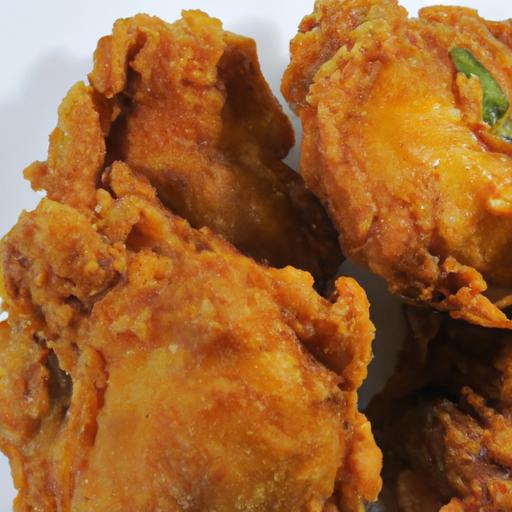

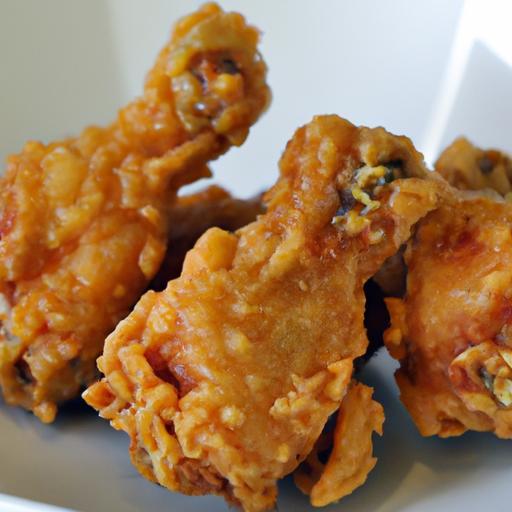
There’s a magic to that first bite of Korean double fried chicken-a symphony of crackling crispness that shatters delightfully before giving way to tender, juicy meat beneath. But what transforms a humble piece of chicken into this crispy delight? Beyond its addictive flavor lies a fascinating fusion of culinary tradition and food science.In this article, we’ll unravel the secrets behind Korean double frying, exploring how technique, temperature, and even the choice of oil come together to create the ultimate crispy texture. Prepare to dive into the crispy chemistry that makes Korean fried chicken a global sensation!
Crispy Delight starts with understanding the transformative magic of Korean double fried chicken – a culinary marvel where texture and flavor collide in perfect harmony. This beloved dish, originating from the vibrant street vendors of Korea, captures the inventiveness with its satisfyingly crispy exterior and tender, juicy interior. The secret lies not just in frying twice, but in the precise chemistry of marinades, seasonings, and temperature control that unlock deep flavor and irresistible crunch.
Prep and Cook Time
- Readiness: 20 minutes
- Marinating Time: 2 to 4 hours
- Cooking Time: 20 minutes
- Total Time: Approximately 2 hours 40 minutes
Yield
Serves 4 hungry guests
Difficulty Level
Medium – Perfect for adventurous home cooks ready to master a restaurant-worthy technique
Ingredients
- 1 kg chicken wings and drumettes, skin on, trimmed
- 1 tsp salt
- 1 tsp ground black pepper
- 1 tbsp minced garlic
- 1 tbsp grated ginger
- 2 tbsp soy sauce (use gluten-free if desired)
- 1 tbsp rice wine vinegar
- 1/2 cup potato starch (for coating)
- Vegetable oil for deep frying (enough for a deep pot, approx. 3-4 cups)
- For the glaze:
- 2 tbsp gochujang (Korean chili paste)
- 2 tbsp honey
- 1 tbsp soy sauce
- 1 tsp toasted sesame oil
- 1 tbsp minced garlic
- 1 tsp grated ginger
- Garnishes: toasted sesame seeds, thinly sliced green onions, and fresh cilantro sprigs
Instructions
- Marinate the Chicken: In a large bowl, mix salt, pepper, minced garlic, grated ginger, soy sauce, and rice wine vinegar.Add the chicken pieces and toss until evenly coated. Cover and refrigerate for at least 2 hours to let the flavors deeply penetrate the meat.
- Prepare the Coating: Remove the chicken from the marinade and pat dry with paper towels to ensure moisture is minimized for ultimate crispiness. Lightly coat each piece in potato starch, shaking off excess.
- First Fry (Blanching Stage): Heat the vegetable oil in a deep pot to 320°F (160°C). Fry the chicken in batches,avoiding overcrowding. Cook for about 5 minutes, or until the chicken pieces turn pale golden but are not fully browned.Remove and drain on a cooling rack or paper towels.Rest for 15 minutes.
- Prepare the Glaze: While the chicken rests, whisk together gochujang, honey, soy sauce, toasted sesame oil, minced garlic, and grated ginger in a small saucepan. Warm on low heat, stirring frequently, until well combined and slightly thickened. Set aside.
- Second Fry (Crisping Stage): Increase the oil temperature to 375°F (190°C). Fry the chicken a second time for 3-4 minutes until the pieces are golden brown and irresistibly crunchy. Drain well.
- Toss and garnish: Immediately transfer the hot chicken to a large bowl. Quickly toss with the prepared spicy-sweet glaze to coat every bite with vibrant flavor. Garnish generously with toasted sesame seeds, thinly sliced green onions, and fresh cilantro for freshness and texture contrast.
- Serve at once: Enjoy your crispy delight while warm and crunchy for the best experience.
Tips for Success
- Double frying is key to achieving ultimate crunch; the first fry cooks the chicken through gently, while the second at higher heat crisps the surface without drying the meat.
- Patting chicken dry before coating prevents soggy results-moisture is the enemy of crunch.
- Potato starch provides a lighter, airier crust than flour, enhancing texture.
- maintain accurate oil temperature by using a thermometer; fluctuations can cause greasy or undercooked chicken.
- Marinate the chicken for at least 2 hours or overnight for deeper flavor infusion.
- If you prefer non-spicy, swap gochujang for a sweet soy glaze, or add kimchi for a tangy twist.
- Leftover chicken can be reheated briefly in a hot oven to regain crispiness but is best enjoyed fresh.
Serving Suggestions
This korean double fried chicken shines as the centerpiece of a casual feast. Serve it alongside tangy pickled radish to refresh the palate or crispy fries for an indulgent crunch overload.A crisp Asian slaw with shredded cabbage, carrot, and a sesame dressing creates the perfect balance. Don’t forget a bowl of cold beer or sparkling lemonade for contrast.
| nutrition (per serving) | Calories | Protein | Carbs | Fat |
|---|---|---|---|---|
| Chicken & Glaze | 480 kcal | 35 g | 20 g | 25 g |

For a deeper dive into the science behind frying techniques, check out this credible resource from Serious eats, which explores how temperature impacts texture and moisture retention.
Q&A
Q&A: Crispy Delight – The Science Behind Korean Double Fried Chicken
Q1: What makes Korean double fried chicken so irresistibly crispy?
A1: The secret lies in its double frying technique. the first fry cooks the chicken through at a lower temperature, rendering out moisture and fat. After a short rest, the second fry at a higher temperature crisps up the skin to perfection. This two-step process creates a light, crackling crust that stays crunchy even after adding sauce.
Q2: How does double frying affect the texture compared to single frying?
A2: Single frying frequently enough results in a crust that sogs quickly as steam escapes from the inside. Double frying forms a robust barrier-think of it as a crispy armor-that locks in juiciness while keeping moisture from softening the exterior. It’s why Korean fried chicken maintains its signature crunch long after you take a bite.
Q3: Why is moisture control so crucial in making Korean fried chicken?
A3: moisture is the enemy of crunchiness.When you fry chicken, water inside turns to steam and can make the crust soft or soggy. The first fry gently drives out excess moisture, and resting allows the skin to cool and dry slightly. This preparation ensures the second fry can crisp the chicken without steam undermining the texture.
Q4: What role does the batter or coating play in achieving that perfect crisp?
A4: Korean fried chicken often uses a lighter batter or incorporates starches like potato or sweet rice flour instead of heavy wheat flour. These ingredients absorb less oil and create a thinner, crispier shell. The coating’s composition and thickness are carefully balanced to enhance crunch without overwhelming the natural flavor of the chicken.
Q5: How does the sauce interact with the crispy exterior without ruining it?
A5: The magic is in timing and texture. Korean sauces-think sticky, sweet-spicy blends-are typically tossed with the chicken right after the second fry, while the crust is still hot and porous. This allows the sauce to cling, creating a glossy coating without immediately soggifying the crust. Plus, double frying’s sturdy crust stands up to moisture better than typical fried chicken.
Q6: Is there a science behind the choice of oil and frying temperature?
A6: absolutely. Oils with a high smoke point (like canola, peanut, or vegetable oil) are essential for maintaining stable frying temperatures. The first fry is done at a moderate 320-330°F (160-165°C) to cook the meat through gently, and the second fry at a hotter 375°F (190°C) crisps the skin instantly. This temperature dance is key to texture perfection.
Q7: can home cooks replicate the crispiness of Korean double fried chicken?
A7: Yes! The core principle is patience and control: fry twice,rest between frying,use the right oil and temperature,and avoid overcrowding the pan to keep oil temperature steady. With attention to detail-and maybe a tasty, bold sauce-you can bring that addictive crunch right to your kitchen table.
Q8: Beyond crunch, what makes Korean double fried chicken stand out globally?
A8: It’s the harmonious marriage of texture and flavor. The double fry technique yields an extraordinary crunch, while the vibrant sauces-whether sweet soy garlic, fiery gochujang, or honey butter-add layers of flavor that play beautifully with the savory, juicy chicken inside. This combination has turned Korean fried chicken into a worldwide culinary phenomenon.
Whether you savor it crispy or saucy, understanding the science beneath Korean double fried chicken lets you appreciate every delightful crunch-and maybe inspires you to make it yourself!
To Wrap It Up
As the final crackle of Korean double fried chicken fades into a satisfied crunch, we come to appreciate that this beloved dish is more than just a taste sensation-it’s a masterclass in culinary science. From the precise dance of moisture evaporation to the golden alchemy of twice-fried batter, each bite is a testament to the meticulous techniques that transform simple ingredients into crispy perfection.So next time you savor that irresistible crunch, remember: you’re not just enjoying a snack-you’re experiencing the appetizing outcome of science meeting tradition, fried to crispy delight.