
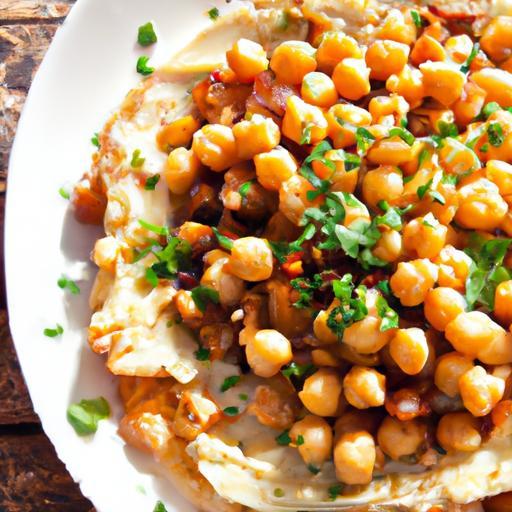
Beneath the sun-drenched skies of italy’s Ligurian coast lies a culinary treasure as humble as it is indeed remarkable: Farinata di Ceci. This golden-hued, crispy-edged pancake, born from the simple marriage of chickpea flour, water, and olive oil, has been enchanting palates for centuries.Often overshadowed by Italy’s more famous pasta and pizza, Farinata embodies a rustic elegance-an ancient recipe that transforms everyday ingredients into a warm, savory delight. Join us as we peel back the layers of history,culture,and flavor to uncover the story behind Italy’s golden chickpea masterpiece and discover why Farinata di ceci deserves a special place on your table.
Origins and Traditions Behind Farinata di Ceci
Farinata di Ceci is a golden chickpea delight that traces its roots back to the Ligurian coast of Italy, especially in Genoa and nearby towns. This humble yet remarkably flavorful flatbread, crafted from simple ingredients, has been cherished for centuries by fishermen and locals alike. It’s said that sailors prized this dish for its nourishing qualities and ease of preparation on long voyages. Today, Farinata di Ceci embodies rustic simplicity paired with culinary sophistication-offering a crisp, golden crust with a tender, creamy interior that tells stories of Italian tradition with every bite.
What makes this recipe truly special is its connection to Italian culture, where community and seasonal eating intertwine. The chickpeas ground into a fine flour create a batter that is as much about patience as it is about precision, inviting cooks to participate in a ritual of soaking, mixing, and slow baking using a blazing wood-fired oven or cast-iron skillets.
Crafting the Perfect Batter for Authentic Flavor
Achieving the perfect batter is key to savoring the authentic taste of Farinata di Ceci.The magic begins with the chickpea flour, water, high-quality olive oil, and a pinch of salt. the batter must be mixed until smooth and allowed to rest several hours or overnight-a crucial step that mellows the flavors and lends a silky texture. This resting time helps the chickpea starches hydrate fully, resulting in a batter that will bake into a velvety yet firm base with a golden, slightly blistered top.
For optimum results, use filtered water and extra virgin olive oil, which imbue the batter with subtle fruity aromas and a hint of earthiness. When mixing, use a whisk or fork to break any lumps gently without overworking the batter-it should be fluid but not watery. Some traditionalists pour the batter into a generously oiled pan, letting the oil pool enticingly before baking, creating signature crispy edges that contrast beautifully with the soft center.
Cooking Techniques That Elevate Farinata to Culinary Art
Cooking Farinata di Ceci to perfection demands attention to heat and timing-its conversion from liquid batter to irresistibly crisp flatbread is a dance that unfolds in the oven. While customary wood-fired ovens offer an intense, radiant heat ideal for developing blistered spots and a nutty caramelization, a modern oven can achieve splendid results using the broiler or a pizza stone to mimic that effect.
The batter should be poured into a very hot, well-oiled pan and baked at a high temperature-typically around 450°F (230°C)-for approximately 10 to 15 minutes. Watch as the edges crisp up and take on a deep golden hue while the center remains tender and slightly creamy under the crust. For extra indulgence, some add freshly cracked black pepper or fragrant rosemary just before baking, enhancing the depth of flavor without overpowering the delicate chickpeas.
Serving Suggestions and Pairings to Savor Every Bite
farinata di Ceci shines brightest when served warm, either as a savory snack or alongside light salads and grilled vegetables. Traditionally, a drizzle of robust Ligurian olive oil and a sprinkle of coarse sea salt elevate each slice. For a fresh contrast,pair it with a vibrant arugula salad tossed with lemon juice and pine nuts. It also pairs beautifully with marinated artichokes or a slaw of thinly shaved fennel and orange segments, bringing brightness to the earthy chickpea flavors.
For an enticing appetizer platter,accompany Farinata di Ceci with a selection of olives,sun-dried tomatoes,and creamy fresh cheeses like mozzarella or ricotta. Each bite should be savored with a refreshing, chilled non-alcoholic spritz or mineral water infused with herbs to cleanse the palate and enhance the rustic charm of this Italian classic.

Prep and Cook Time
- Preparation: 15 minutes
- Soaking & Resting: 8-12 hours (overnight preferred)
- Cooking: 12-15 minutes
Yield
Serves 4-6 as an appetizer or snack
Difficulty Level
Easy to Medium – requires patience but simple technique
Ingredients
- 1 cup chickpea flour (sifted)
- 3 cups filtered water
- 1/4 cup extra virgin olive oil, plus more for the pan
- 1 teaspoon fine sea salt
- Freshly ground black pepper, to taste (optional)
- Fresh rosemary sprigs (optional, for garnish)
Instructions
- Mix the chickpea flour and water: in a large bowl, whisk the chickpea flour with filtered water gradually until smooth and lump-free.
- Add salt: stir in the sea salt. Cover the bowl with a clean cloth and let it rest at room temperature for at least 8 hours or overnight for best flavor and texture.
- Prepare the pan: preheat your oven to 450°F (230°C). Generously oil a round baking dish or cast-iron skillet with olive oil and warm it briefly in the oven to heat the oil.
- Combine batter and oil: After resting,stir the batter gently. Pour it into the hot oiled pan, tipping to spread evenly about 1/4 inch thick. The batter should sizzle on contact with the hot oil.
- Bake: Place the pan in the oven, ideally on the top rack. Bake for 12-15 minutes until edges are golden and crisp, and the surface is set with characteristic brown spots.
- Add aromatics (optional): In the last few minutes, sprinkle freshly ground black pepper or scatter rosemary leaves on top for an aromatic flourish.
- Serve warm: Remove from the oven, drizzle lightly with olive oil, slice into wedges, and serve instantly while warm and crispy.
Chef’s Notes and Tips for Success
- Always use fresh chickpea flour for the best taste and texture.
- If you prefer a thinner farinata, adjust the batter consistency by adding a little more water-aim for a pourable texture.
- For a naturally gluten-free option, ensure no cross-contamination in your chickpea flour.
- You can make the batter up to 24 hours in advance-just keep refrigerated and return to room temperature before baking.
- To achieve the signature crispy edges, never skimp on olive oil in the pan.
- If you don’t have a wood-fired or gas oven, use the broiler during the last 2-3 minutes to crisp the top, but watch carefully to avoid burning.
Serving Suggestions
Enjoy slices as a street food-style snack or as part of a light meal. garnish with fresh rosemary, cracked black pepper, or a sprinkle of flaky sea salt. Pair with a simple salad of mixed greens tossed in lemon vinaigrette for balance. For a Mediterranean-inspired platter, serve alongside marinated olives, grilled vegetables, and creamy cheeses.
| Nutrient | Per Serving (1/6) |
|---|---|
| Calories | 160 kcal |
| Protein | 6 g |
| Carbohydrates | 20 g |
| Fat | 7 g |
Explore more Italian culinary treasures like Rosemary Focaccia to expand your baking repertoire. For a deeper dive into chickpea nutrition and their health benefits, visit the NIH’s National library of Medicine.
Q&A
Q&A: Farinata di Ceci – Italy’s Golden Chickpea Delight Uncovered
Q1: What exactly is Farinata di Ceci?
A: Farinata di Ceci is a culinary gem from Italy’s ligurian coast-a thin, golden pancake made primarily from chickpea flour, water, olive oil, and a pinch of salt. Baked in a wood-fired oven until it’s crispy on the edges and tender inside, this humble dish boasts a rich history and a simple, yet captivating, flavor.
Q2: Where does Farinata di Ceci come from?
A: Though chickpeas have long been a Mediterranean staple, farinata itself hails from Liguria, a picturesque region in northwest Italy. This dish has been enjoyed since Roman times and proudly carries the legacy of Italian peasant cuisine-transforming humble ingredients into irresistible comfort food.
Q3: Why is it called “Farinata”?
A: The name “Farinata” derives from the Italian word “farina,” meaning flour-specifically chickpea flour in this case. It’s a nod to the foundation of the dish: a simple batter made from chickpea flour that’s baked to golden perfection.
Q4: How is Farinata traditionally made?
A: Traditionally, the chickpea flour batter is mixed with water, extra-virgin olive oil, and salt, then left to rest for hours before being poured into a large, shallow copper pan. It’s then baked in a very hot wood-fired oven, resulting in a thin layer with crisp edges and a custardy interior. The secret often lies in the quality of olive oil and the patience during the resting period.
Q5: What does Farinata taste like?
A: Farinata offers a delightful interplay of flavors-earthy nuttiness from the chickpeas, a subtle bitterness and fruitiness from the olive oil, and a light saltiness. The texture contrasts between the lacy, crisp edges and the soft, creamy middle make every bite a textural adventure.
Q6: Are there variations of Farinata?
A: Absolutely! While the classic version is enjoyed plain, you’ll find regional twists adorned with rosemary, black pepper, onions, or even anchovies. Corsica’s version, known as “panissa,” is similar but often fried into sticks. Innovation meets tradition in many Italian kitchens.
Q7: How is Farinata typically served?
A: Served hot and fresh from the oven, Farinata is often cut into rustic wedges or squares and eaten as a snack, street food, or appetizer (antipasto). It pairs wonderfully with a crisp glass of white wine or a vibrant salad.
Q8: Is Farinata healthy?
A: Definitely! Chickpeas are packed with protein,fiber,and essential nutrients,while olive oil provides healthy fats. Farinata is naturally gluten-free,vegan,and satisfying-proof that wholesome ingredients and simple preparation can create a nourishing delight.
Q9: can I make Farinata at home?
A: Yes! While achieving the perfect wood-fired oven crispiness can be challenging, you can bake Farinata in a very hot oven or a cast-iron skillet. Key tips include allowing the batter to rest, using quality olive oil, and baking at high heat until beautifully golden.
Q10: Why should Farinata deserve a spot on my culinary radar?
A: As Farinata di Ceci is more than just food; it’s a slice of Italian history, culture, and flavor in golden form. It’s simple yet sophisticated, humble yet hearty-a flavorful reminder that sometimes the simplest ingredients create the most unforgettable experiences. Add this chickpea treasure to your repertoire, and savor a true taste of Italy’s coastal soul.
In Summary
As the golden hues of farinata di ceci continue to captivate palates far beyond Italy’s sun-drenched coasts,this humble chickpea creation stands as a testament to the country’s culinary ingenuity and rich tradition. More than just a simple dish, farinata is a crispy, fragrant bridge connecting generations and regions, inviting food lovers to experience a slice of Italy’s vibrant heritage with every bite. So next time you seek a taste that’s both ancient and timeless,let farinata di ceci guide you-crisp,warm,and steeped in the artisanal spirit of Italy’s golden kitchens.