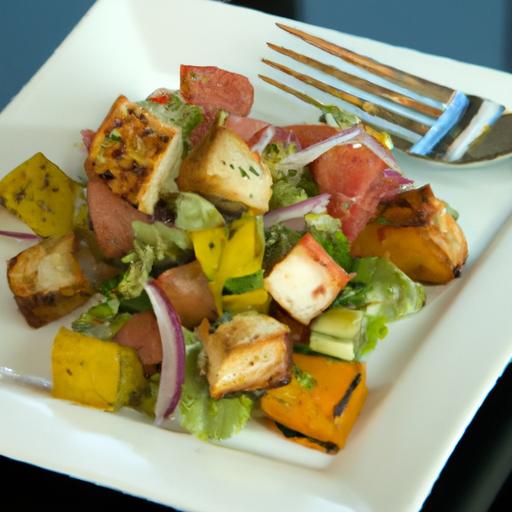

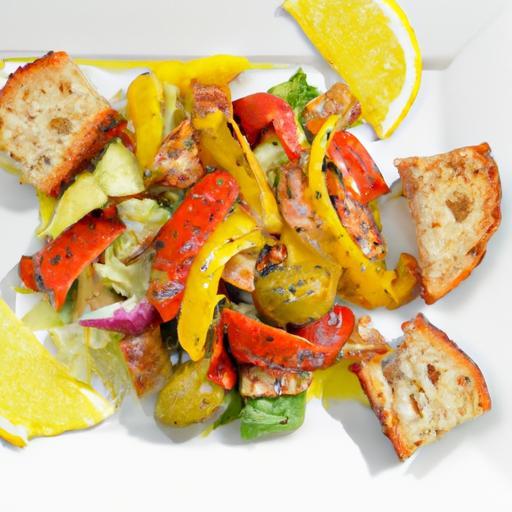
There’s a salad that embodies the heart of Italian summer-rustic, refreshing, and bursting wiht the vibrant flavors of sun-ripened tomatoes, fragrant basil, and crusty bread soaked in tangy vinaigrette. Panzanella, a humble yet beloved dish from Tuscany, transforms simple pantry staples into a colorful celebration of texture and taste. Rooted in the traditions of resourcefulness and seasonal abundance, this hearty salad invites you to savor the essence of Italy’s countryside in every bite. Join us as we explore the origins, ingredients, and cultural significance of Panzanella, discovering why it remains a timeless favorite on tables across the Italian peninsula and beyond.
Panzanella captures the heart of Tuscan home cooking,telling a story of resourcefulness and celebration of the season’s freshest bounty. This vibrant salad, born from the humble tradition of transforming day-old bread into a lively medley of garden flavors, remains a timeless favorite across Italy and beyond. As a Culinary Content Creator and Food Stylist, I am continually inspired by how the crisp, tangy bites of panzanella salad unite textures and colors into a dish that bursts with rustic charm and freshness.
Origins and Traditions Behind Panzanella’s Timeless Appeal
The roots of panzanella lie in regions where olives, ripe tomatoes, and stale bread create a perfect harmony. Traditionally hailing from Tuscany and Umbrian countryside kitchens, this salad was a method of avoiding food waste while savoring summer’s peak produce. It’s more than a recipe; it’s a culinary ritual, frequently enough shared at long family tables outdoors. In the warm weather, the soaking of bread in vinaigrette allows flavors to meld, symbolizing simplicity elevated by quality ingredients and the art of balance.
Selecting the Perfect Bread and Garden-Fresh Ingredients
The foundation of any stellar panzanella recipe starts with a loaf that stands up to soaking without becoming mushy. Aim for a crusty, rustic ciabatta, sourdough, or a classic Italian bread like pane casereccio. Cutting the bread into large, uneven chunks adds an authentic texture contrast.
Freshness is paramount – juicy heirloom tomatoes, crisp cucumbers, and fragrant basil will transform the dish. Opt for vine-ripened tomatoes bursting with color and sweetness. adding sliced red onions, bell peppers, or even a touch of radicchio can introduce layers of flavor and crunch. Good extra virgin olive oil and a splash of red wine vinegar bring the salad’s dressing alive, harmonizing the ingredients without overpowering them.
Mastering the Art of Balancing Flavors and Textures
To perfect this salad’s allure, balancing acidic notes with the naturally sweet, earthy undertones of fresh produce is key. Toss the bread gently with the vinaigrette,allowing it just enough time to absorb without becoming soggy. the contrast between the firm bread exterior and its slightly softened interior,paired with crisp vegetables,ensures each forkful delights.
Don’t overlook seasoning – a generous pinch of flaky sea salt and freshly cracked black pepper elevates every component. Fresh herbs like basil or mint enliven the palate, while the dressing should be bright enough to provoke appetite but smooth enough to blend seamlessly with the bread’s rustic texture.
Tips for Serving and Pairing Panzanella with Classic Italian Dishes
Serve panzanella salad chilled or at room temperature to showcase its vibrant colors and fresh flavors. Garnish with torn basil leaves,a drizzle of quality olive oil,or even shavings of aged Parmesan (optional). It pairs beautifully with grilled vegetables, seafood like lemon-herb marinated shrimp, or a light vegetarian main such as caponata or roasted eggplant dishes.
For an authentic Italian table, include caponata or a simple bruschetta for a shared antipasti experience. A chilled, sparkling mineral water or a freshly squeezed citrus beverage complements the salad’s bright acidity perfectly – all without overpowering the delicate, harmonious balance.
Prep and cook Time
- Prep Time: 20 minutes
- Rest Time: 30 minutes (for bread to soak)
- Total Time: 50 minutes
Yield
Serves 4 as a refreshing starter or side dish
Difficulty Level
Easy – perfect for cooks of all levels looking to bring rustic Italian charm to thier table
Ingredients
- 4 cups day-old rustic bread, cubed
- 3 large ripe heirloom tomatoes, chopped
- 1 medium cucumber, peeled and sliced
- 1 small red onion, thinly sliced
- 1/4 cup fresh basil leaves, torn
- 3 tbsp extra virgin olive oil
- 2 tbsp red wine vinegar
- 1 tsp sea salt, plus more to taste
- Freshly cracked black pepper to taste
- Optional garnish: shaved aged Parmesan or fresh mint leaves
instructions
- Prepare the bread: Spread the bread cubes on a baking sheet and toast lightly at 350°F for 10 minutes to enhance crispiness. Let cool.
- Mix the dressing: In a small bowl, whisk the olive oil, red wine vinegar, sea salt, and black pepper until emulsified.
- Combine vegetables: In a large mixing bowl, gently toss the tomatoes, cucumber, red onion, and basil with half the dressing.
- Soak the bread: Add the toasted bread cubes to the vegetable mixture and drizzle with remaining vinaigrette. Toss gently to coat without breaking the bread.
- Let rest: Allow the salad to sit for at least 30 minutes at room temperature so bread soaks up the dressing and flavors meld beautifully.
- Final touch: taste and adjust seasoning with additional salt or pepper if needed. Garnish with optional Parmesan shavings or mint leaves before serving.
Chef’s Notes & Tips for Success
- For a gluten-free version, substitute with cubes of firm polenta or toasted gluten-free bread.
- Use day-old bread for optimal texture; fresh bread will absorb too much dressing and become mushy.
- Feel free to experiment with fresh herbs like oregano or parsley for unique flavor twists.
- Make ahead tip: Prepare and toss the salad a few hours before serving to deepen flavor, but add delicate fresh herbs just before plating.
Serving Suggestions
Serve this vibrant salad in a rustic wooden bowl or colorful ceramic dish to amplify its farmhouse appeal. Pair it with a platter of grilled lemon rosemary chicken or a hearty vegetable lasagna for a well-rounded Italian feast. Fresh lemon wedges on the side invite an extra zesty squeeze, and a drizzle of flaky sea salt just before serving heightens the flavors wonderfully.

| Nutrient | Per Serving |
|---|---|
| Calories | 210 kcal |
| Protein | 5 g |
| Carbohydrates | 30 g |
| Fat | 7 g |
For a deeper dive into Italian fresh salads, don’t miss our Mediterranean Salad Recipes collection that perfectly complement panzanella and other rustic Italian delights.
Q&A
Q&A: Panzanella – Italy’s Vibrant Salad of Rustic Bread and Fresh Flavor
Q1: What exactly is Panzanella?
A1: Panzanella is a celebrated Italian salad that beautifully marries day-old rustic bread with a medley of fresh, sun-ripened vegetables. Originating from the Tuscan countryside, this dish transforms humble ingredients into a colorful, flavor-packed feast that sings of summer and simplicity.
Q2: Why is stale bread used in Panzanella? Isn’t fresh bread better?
A2: The magic of Panzanella lies in its use of stale or day-old bread. The slightly dried bread soaks up the dressing and juices from the vegetables without turning mushy, creating a perfect balance of texture and flavor. It’s a brilliant way to reduce food waste while infusing the salad with delightful chewiness.
Q3: What are the key ingredients that make Panzanella so flavorful?
A3: At its heart, Panzanella combines cubed rustic bread, ripe tomatoes bursting with sweetness, crisp cucumbers, sharp red onions, fresh basil leaves, and often a splash of red wine vinegar and good-quality olive oil. Some versions add capers, fresh herbs, or even mozzarella for extra zest and richness.
Q4: How is Panzanella traditionally dressed?
A4: simplicity rules here-extra virgin olive oil and a splash of red wine vinegar create a tangy, fruity dressing. Salt and freshly ground black pepper heighten the flavors. The dressing is gently tossed with the bread and veggies,allowing every bite to deliver a refreshing,vibrant punch.
Q5: Can Panzanella be adapted for different seasons or tastes?
A5: Absolutely! While traditional Panzanella shines brightest in summer with juicy tomatoes and crisp cucumbers, creative cooks frequently enough adapt it by incorporating seasonal produce-roasted peppers, grilled zucchini, or even stone fruit. Adding herbs like mint or parsley can shift the flavor profile,making it endlessly versatile.
Q6: Is Panzanella served instantly, or can it be prepared ahead?
A6: panzanella actually benefits from a little resting time! Letting it sit for 20-30 minutes before serving allows the bread to absorb all the vibrant juices, melding the salad into a harmonious blend. However, it’s best enjoyed fresh on the day it’s made to preserve the crunch of the vegetables.
Q7: What makes Panzanella a cultural symbol beyond just a salad?
A7: Beyond its culinary appeal, Panzanella embodies the ethos of “cucina povera”-the Italian tradition of making appetizing meals from simple, accessible ingredients.It’s a celebration of resourcefulness, local produce, and the vibrant spirit of Italian communal dining, bringing people together around the table with rustic charm.
Q8: How can someone outside Italy authentically recreate Panzanella at home?
A8: Start with good-quality rustic bread-ciabatta or country-style works well-and let it dry out slightly if it’s fresh.Use the freshest, ripest tomatoes available, and don’t skimp on extra virgin olive oil. Embrace vibrant vegetables and fresh herbs from your local market.Most importantly, toss gently and give the salad a moment to meld, then savor the essence of Italy in every bite!
Wrapping Up
As the sun sets over the Tuscan hills and the aromas of fresh basil and ripe tomatoes mingle in the air, Panzanella reminds us that simplicity can be remarkable. This vibrant salad, born from humble kitchen scraps and countryside ingenuity, celebrates the art of transforming everyday ingredients into a feast of texture and taste. Beyond its refreshing bite and rustic charm, Panzanella carries the soul of Italian summer-a dance of freshness, history, and heartfelt tradition on every plate. So next time your bread goes stale or your garden gifts you a bounty of ripe produce, remember this timeless dish and savor a true slice of Italy’s rustic spirit.