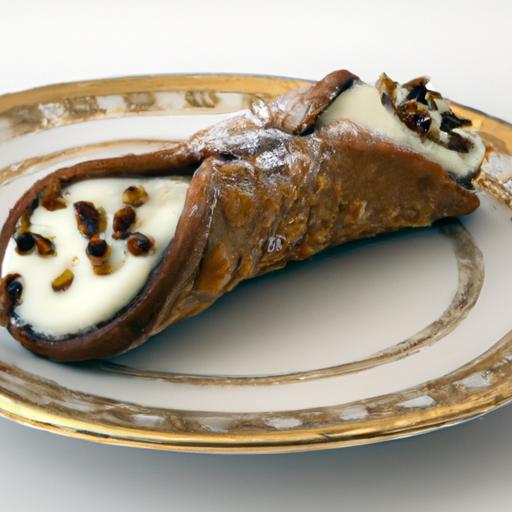

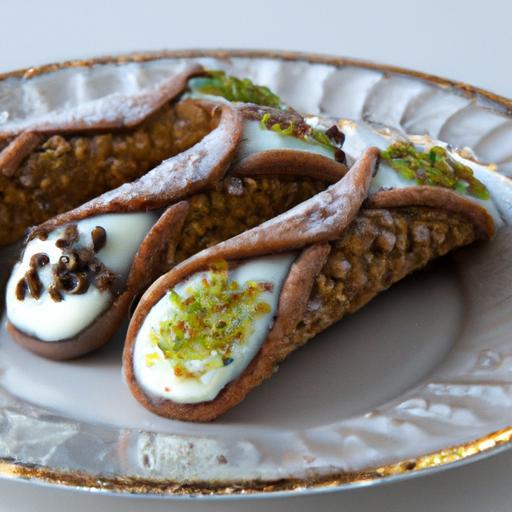
In the sun-drenched landscapes of Sicily, where the sea breeze carries whispers of ancient traditions, one dessert reigns supreme as a symbol of the island’s rich culinary heritage: the cannoli siciliani. These delicate, crispy pastry tubes filled with smooth, sweet ricotta have captivated taste buds for centuries, blending a perfect harmony of textures and flavors that tell stories of Sicilian artistry and passion.More than just a treat,the cannoli is a festivity of history,culture,and the timeless joy of indulgence-an edible masterpiece that invites you to savor the very essence of Sicily’s soul. Join us as we delve into the sweet art of cannoli siciliani, exploring the origins, craft, and enduring allure of this iconic Sicilian delight.
Cannoli Siciliani have long been treasured as one of Sicily’s most beloved desserts, a symbol of the island’s sweet heritage and culinary artistry. Originating in the heart of Sicilian culture, these crispy, tubular shells filled with luscious ricotta cream offer a perfect harmony of textures and flavors that continue to captivate palates worldwide.The sweet art of Cannoli Siciliani blends history,tradition,and innovation,making it a timeless treat that’s as vibrant today as it was centuries ago.
Prep and Cook Time
- planning: 45 minutes
- Chilling: 1 hour
- Cooking: 15 minutes
- Total Time: Approximately 2 hours
Yield
Yields 8 classic-sized cannoli, perfect for sharing with family or guests.
Difficulty Level
Medium – requires a bit of practice with dough handling and frying technique but very rewarding.
Ingredients
- for the Shells:
- 1 ¾ cups all-purpose flour, sifted
- 2 tablespoons granulated sugar
- 1 teaspoon unsweetened cocoa powder
- ¼ teaspoon salt
- 2 tablespoons unsalted butter, cold and cubed
- ⅓ cup dry white sparkling water, chilled
- 1 large egg yolk
- Vegetable oil, for frying
- For the Filling:
- 2 cups whole milk ricotta cheese, well-drained
- ¾ cup powdered sugar
- 1 teaspoon vanilla extract
- 2 tablespoons mini dark chocolate chips
- 1 teaspoon orange zest (optional, for authentic citrus aroma)
- For Garnish:
- Chopped pistachios
- Powdered sugar, for dusting
- Additional mini chocolate chips or candied orange peel strips
Instructions
- Prepare the Dough: In a large bowl, whisk together flour, sugar, cocoa powder, and salt. Add the cold butter cubes and rub with your fingertips until mixture resembles coarse crumbs. Mix in the egg yolk and slowly incorporate the chilled sparkling water until a soft dough forms. Wrap in plastic and refrigerate for at least 30 minutes.
- Roll and Shape the Shells: on a lightly floured surface, roll the dough thinly (about 1/8 inch). Using a 4-inch round cutter, cut circles. Carefully wrap each circle around metal cannoli tubes, sealing the edges with a dab of water.
- Fry the Shells: Heat vegetable oil in a deep pan to 350°F (175°C). Fry the dough-wrapped tubes in batches until golden and crisp, about 2-3 minutes. Remove and drain on paper towels; let cool completely before carefully sliding the shells off the tubes.
- Prepare the Filling: In a medium bowl, combine ricotta cheese, powdered sugar, and vanilla extract. Whisk gently until smooth and fluffy. Fold in chocolate chips and orange zest if using. Chill the filling for at least 30 minutes for best texture.
- Fill and Garnish: Transfer the filling to a pastry bag fitted with a large tip. Pipe the ricotta mixture carefully into each shell, filling both ends toward the center.Dip each end in chopped pistachios, extra chocolate chips, or garnish with candied peel. Dust lightly with powdered sugar before serving.
Chef’s Notes
- ensure the ricotta is well-drained to avoid watery filling which can soften the shells prematurely.
- Use sparkling water in the dough for a lighter, crisper shell texture.
- Filling the cannoli just before serving helps maintain crispness; you can fill up to 2 hours in advance and refrigerate.
- Experiment with flavors by folding in small amounts of cinnamon, or finely chopped candied fruits for a Sicilian twist.
- For a gluten-free choice, try substituting almond flour blend for the all-purpose flour but note frying times may vary.
serving Suggestions
Cannoli Siciliani shine as the centerpiece of any dessert table. Present them on a long ceramic platter, adorned with fresh mint leaves for color contrast. Pair with an espresso or a fresh citrus sorbet to cleanse the palate between bites. A sprinkle of extra powdered sugar over the platter creates a snow-dusted effect reminiscent of Sicily’s mountain peaks.

| Nutrient | Per Serving |
|---|---|
| Calories | 320 kcal |
| Protein | 7 g |
| Carbohydrates | 40 g |
| Fat | 14 g |
Discovering Regional Variations of Cannoli Siciliani
Across Sicily, each town adds its signature flair that enriches the sweet art of Cannoli Siciliani. In Palermo, you might find slightly thicker shells and a stronger infusion of orange zest in the filling, while Catania’s versions frequently enough incorporate local honey or use a touch of cinnamon for warmth. Coastal towns favor a lighter, more citrus-forward ricotta blend, reflecting the region’s Mediterranean influences.
For inspiration beyond Sicily, explore how modern chefs introduce pistachio creams, exotic candied fruits, or even vegan ricotta alternatives to reimagine this classic dessert, keeping the essence while delighting adventurous palates.
When in Sicily, savor the freshest cannoli right from traditional pasticcerias in towns like Palermo, Taormina, and Ragusa. many bakeries still follow time-honored artisanal methods, ensuring every bite captures the rich cultural importance and sweet history that have made these treats iconic around the world.
For more traditional Sicilian dessert recipes,visit our Sicilian Desserts Collection.For detailed history and cultural context, the Encyclopedia Britannica’s Cannoli entry offers an authoritative resource.
Q&A
Q&A: The Sweet Art of Cannoli Siciliani – Sicily’s iconic Treat
Q1: What exactly are Cannoli Siciliani?
A1: Cannoli Siciliani are crispy, cylindrical pastry shells filled with a luscious, creamy ricotta-based filling. Hailing from Sicily,these sweet tubes are a beloved symbol of the island’s rich culinary heritage,bursting with flavor and tradition in every bite.
Q2: Where did Cannoli originate, and why Sicily?
A2: Cannoli have roots in the Arab influence on Sicily during the Middle Ages, blending Mediterranean ingredients and techniques. Sicily’s fertile lands and vibrant food culture elevated the humble dessert into an art form, making it a regional emblem loved across Italy and beyond.
Q3: What makes Cannoli Siciliani different from other pastries?
A3: It’s all in the contrast-the crunchy, fried shell paired with the smooth, lightly sweetened ricotta filling. Authentic Sicilian cannoli often include hints of citrus zest, chocolate chips, or candied fruits, balancing textures and flavors uniquely tied to the island’s bounty.
Q4: how is the ricotta filling traditionally made?
A4: Traditionally, the filling combines fresh Sicilian sheep’s milk ricotta, carefully drained to be creamy yet firm, mixed with powdered sugar and sometimes vanilla or cinnamon. This silky blend is whipped to perfection and added to the crisp shells just before serving to maintain freshness.
Q5: Why must cannoli be filled just before serving?
A5: Timing is everything! When filled, the ricotta’s moisture begins to soften the shell, threatening the signature crunch.Filling them moments before serving ensures the perfect harmony between crisp shell and creamy center,a delicate dance of textures.
Q6: are there regional variations of Cannoli within Sicily?
A6: Absolutely! While the core elements remain, some Sicilian towns add their own flair: Palermo might embellish with pistachios, Catania favors chocolate bits infused with local almonds, and Messina is known for a touch of cinnamon or a drizzle of honey.
Q7: Can Cannoli Siciliani be enjoyed year-round, or are they tied to a specific season?
A7: Traditionally associated with Carnevale, the festive season before Lent, cannoli are now a year-round delight.Thanks to their timeless appeal and Sicilian pride, you can find them gracing tables throughout the year, from celebrations to everyday indulgences.
Q8: What cultural significance do Cannoli hold in Sicily?
A8: Cannoli are more than dessert-they’re a celebration of Sicilian identity and history. Passed down through generations, making and sharing cannoli is a communal ritual, reflecting family ties, local pride, and the island’s sweet, resilient spirit.
Q9: How can someone outside Sicily experience authentic Cannoli Siciliani?
A9: Seek out Italian bakeries specializing in Sicilian pastries, or better yet, try your hand at homemade cannoli using quality ricotta and fresh ingredients. Authenticity shines through fresh preparation, so if you visit sicily, enjoying cannoli straight from a local pasticceria is an unforgettable treat.
Q10: Any tips for enjoying Cannoli Siciliani the Sicilian way?
A10: Savor cannoli slowly, appreciating the blend of textures and subtle flavors. Pair with a robust Sicilian espresso or a glass of sweet Marsala wine to heighten the experience-a true taste of Sicily’s sunny, soulful spirit wrapped in pastry perfection.
To wrap It Up
As the last crumb of a perfectly crafted cannolo melts away,it leaves behind more than just a lingering sweetness-it carries the story of Sicily’s rich history,its vibrant culture,and the artistry of its people. The Sweet Art of Cannoli Siciliani is not merely about indulgence; it is a delicious bridge connecting tradition with modern delight. Whether enjoyed in a bustling Sicilian piazza or recreated in your own kitchen, each bite is a tribute to a timeless treat that continues to captivate hearts around the world. So next time you savor this iconic dessert, remember you’re partaking in a centuries-old celebration of flavor, passion, and heritage-one crunchy, creamy bite at a time.