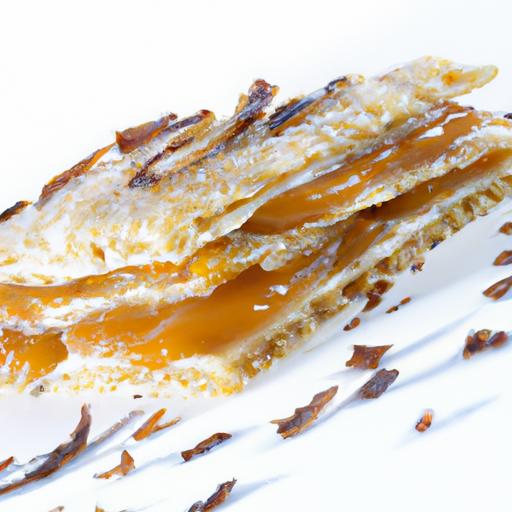

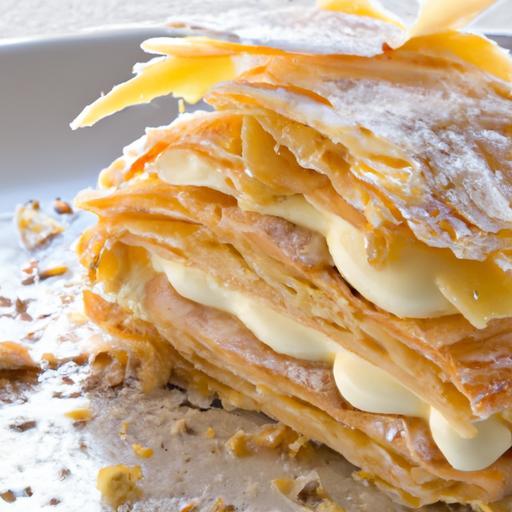
Imagine a dessert that’s as much a feast for the eyes as it is for the palate-a delicate symphony of crispy layers and luscious cream, each bite melting into a perfect harmony of texture and flavor.Welcome to the world of torta Millefoglie, the crown jewel of Italian patisserie where flaky puff pastry meets cloudlike mascarpone and velvety custard. Often dubbed the “thousand layers cake,” this timeless treat is more than just a dessert; its an artful celebration of patience, technique, and indulgence. In this article, we’ll unravel the secrets behind Torta Millefoglie, exploring its origins, the magic of its textures, and why it remains an everlasting favorite across Italy and beyond. Prepare to embark on a appetizing journey through the crispy, creamy layers of this iconic Italian delight.
Origins and Cultural Importance of Torta Millefoglie: Unveiling the Art of Crafting the Perfect Crispy Layers, Secrets to Achieving the creamiest Pastry Cream Every Time, Pairing and Serving Suggestions to Elevate Your Millefoglie Experience
Torta Millefoglie is a timeless Italian treasure that delights with its delicate balance of crisp, flaky layers and rich, velvety pastry cream. Originating from the northern regions of Italy, this dessert is a celebration of patience and technique, where every layer tells a story of craftsmanship passed down through generations. The name “millefoglie” literally means ”a thousand leaves,” perfectly capturing the intricate texture that defines this impressive cake. As a Culinary Content Creator and Food Stylist, I’ve always been enamored by how the golden puffs of pastry create a stunning contrast to the smooth, luscious filling – an experience that’s as much about texture as it is about flavor.
Prep and Cook Time
- Preparation: 45 minutes (plus chilling time)
- Baking: 25 minutes
- Total Time: Approximately 1 hour 15 minutes
Yield
Serves 8 generous portions
Difficulty Level
Medium to Advanced – Mastery of pâte feuilletée (puff pastry) technique and silky pastry cream is essential for sublime results.
Ingredients
- For the puff Pastry:
- 2 ½ cups (320g) all-purpose flour, sifted
- 1 tsp fine sea salt
- 1 cup (225g) cold unsalted butter, cubed
- ¾ cup (180ml) cold water
- For the Pastry Cream:
- 2 cups (480ml) whole milk
- ⅔ cup (135g) granulated sugar
- 5 large egg yolks
- ¼ cup (30g) cornstarch
- 2 tsp pure vanilla extract
- 2 tbsp unsalted butter
- To Garnish:
- Powdered sugar for dusting
- Fresh berries (optional)
- Edible flowers or mint leaves (for a fresh touch)
Instructions
- Prepare the Puff Pastry Dough: In a large bowl, combine the sifted flour and sea salt. Add the cold cubed butter and quickly rub it into the flour using your fingertips until the mixture resembles coarse crumbs with visible pea-sized butter pieces.
- Add Ice-Cold Water: Gradually pour the cold water into the flour-butter mixture,using a fork to incorporate until the dough just comes together. Avoid overmixing to keep the butter intact for flakiness. Shape into a disk, wrap in plastic, and refrigerate for 30 minutes.
- Laminate the Dough: On a lightly floured surface, roll the dough into a rectangle about 12×8 inches. Fold the dough into thirds like a letter, turn 90 degrees, and roll out again. Repeat this folding and rolling process 4-5 times to create delicate layers. Refrigerate again for another 30 minutes.
- Bake the Layers: Preheat the oven to 400°F (200°C). Divide the dough into three equal parts and roll each to a thin, even rectangle. Prick the dough all over with a fork to prevent puffing too much. Place on parchment-lined baking sheets and bake until golden and crisp, about 20-25 minutes. Cool completely.
- Make the Pastry Cream: In a saucepan, heat the milk until just simmering. In a separate bowl, whisk together sugar, egg yolks, and cornstarch until pale and creamy.
- Temper the Eggs: Slowly pour half of the hot milk into the egg mixture,whisking constantly to prevent curdling. Return the mixture to the saucepan and cook over medium heat, whisking continuously until thickened and bubbling, about 3-5 minutes.
- Finish the Cream: Remove from heat and whisk in vanilla extract and butter until smooth and glossy. Transfer to a bowl, cover with plastic wrap directly on the surface, and chill until cold.
- Assemble the millefoglie: place one sheet of puff pastry on your serving plate. Spread an even layer of pastry cream about ½ inch thick.Repeat the layering with the remaining pastry sheets and cream, finishing with a pastry sheet on top.
- Chill and Garnish: Refrigerate the assembled cake for at least 2 hours to allow flavors to meld and for the cream to set.
- Before Serving: Dust the top with powdered sugar and add fresh berries or edible flowers for an elegant touch.
Tips for Success
- Butter Temperature Matters: Cold butter and minimal handling keep the dough flaky and light.
- Fork Pricking: Don’t skip pricking the pastry sheets to avoid excessive puffing and ensure crispness.
- Pastry Cream Consistency: Stir continuously during cooking to prevent lumps and create a silky texture.
- Make-Ahead: Puff pastry can be made the day before,and pastry cream can be refrigerated for up to 2 days.
- Variation: For a different twist, layer with fresh sliced strawberries or a dusting of cocoa for a mocha flavor.
Pairing and Serving Suggestions to Elevate Your Millefoglie Experience
To truly elevate your Torta Millefoglie, serve it alongside a cup of rich espresso or a delicately brewed herbal tea, such as chamomile or lemon verbena. the slight bitterness of the coffee complements the creamy sweetness, while tea emphasizes the lightness of the crisp layers. Garnish generously with fresh raspberries or slices of seasonal stone fruits for a burst of freshness and color. For an elegant finish, a drizzle of warm honey or a sprinkle of toasted almond slivers adds texture and a subtle nutty aroma that accentuates the dessert’s complexity.

Nutritional Data (Per Serving)
| Calories | Protein | Carbohydrates | Fat |
|---|---|---|---|
| 420 kcal | 6 g | 45 g | 22 g |
For more exquisite Italian desserts, check out our detailed guide on classic Italian Desserts. To understand the science behind pastry cream perfection, visit the Culinary Institute of America’s pastry cream guide.
Q&A
Q&A: Torta Millefoglie – The Crispy, Creamy Italian Delight Explained
Q1: What exactly is Torta Millefoglie?
A1: Torta Millefoglie, often known simply as “Millefoglie,” is an iconic Italian dessert celebrated for its enchanting layers of golden, flaky pastry interspersed with luscious creams. The name “Millefoglie” literally means “a thousand leaves,” a poetic nod to the delicate, crisp layers that create this culinary masterpiece.
Q2: Where does Torta Millefoglie originate from?
A2: This elegant cake has roots deeply embedded in italian pastry traditions, notably from the northern regions like Lombardy and Veneto.It showcases Italy’s refined baking artistry, blending simple ingredients into a complex, textural symphony that has charmed palates for centuries.
Q3: What ingredients make torta Millefoglie so special?
A3: At its heart,Torta Millefoglie relies on classic puff pastry layered with varieties of creamy fillings-ranging from vanilla custard (crema pasticcera) to whipped cream,mascarpone,or even chocolate ganache. The secret lies in the meticulously prepared pastry dough, which gets folded and rolled multiple times to achieve those iconic flaky layers.
Q4: How is the crispy texture achieved?
A4: The signature crispiness is all thanks to the puff pastry technique. By folding butter into the dough repeatedly and chilling it between folds, bakers create ultra-thin, buttery layers that puff up and separate during baking.This process results in a light, crackling crust that perfectly contrasts the creaminess inside.
Q5: Is Torta Millefoglie challenging to make at home?
A5: While it might seem intimidating, making Torta Millefoglie at home is entirely doable with patience and practice. The most challenging part is mastering the puff pastry-though using high-quality store-bought puff pastry can simplify the process. The layering and filling steps are straightforward, rewarding you with a stunning dessert that tastes far more complex than it is indeed.
Q6: Are there variations of millefoglie beyond the customary recipe?
A6: Absolutely! Creative chefs put their own spin on Millefoglie by incorporating seasonal fruits like strawberries or raspberries, adding chocolate layers, or experimenting with flavored creams such as coffee or pistachio. Some versions even swap the puff pastry base for phyllo dough,playing with textures while preserving the cake’s essence.
Q7: How is Torta Millefoglie typically served?
A7: Traditionally, Millefoglie is chilled before serving to let the cream set and flavors meld.It’s frequently enough dusted with powdered sugar or topped with fresh fruit for a delightful visual and flavor contrast. Pair it with an espresso or a sweet dessert wine to complete the quintessential Italian indulgence.
Q8: Why is Torta Millefoglie considered a must-try for dessert lovers?
A8: The magic of Torta Millefoglie lies in its balance-the crisp, buttery pastry layers offer a satisfying crunch, while the rich, silky creams provide indulgent softness. This delightful interplay of textures and flavors embodies the sophistication and warmth of Italian dessert culture,making it a truly unforgettable treat.
Whether you’re a pastry novice or aficionado, Torta Millefoglie invites you to savor a slice of Italy’s rich culinary heritage-layer by luscious layer. Buon appetito!
The Way Forward
As we close the chapter on the enchanting world of Torta Millefoglie, it’s clear that this Italian masterpiece is more than just a dessert-it’s a delicate dance of textures and flavors that celebrates the art of patience and precision. Each crispy, golden layer tells a story of craftsmanship, while the luscious cream weaves a velvety counterpoint that delights the palate. Whether savored in a bustling café in Milan or recreated in your own kitchen, the Millefoglie invites you to experience a timeless indulgence that is as rich in history as it is in taste. So next time you crave a slice of Italy, remember: behind every flaky bite lies a tradition that’s truly worth savoring.