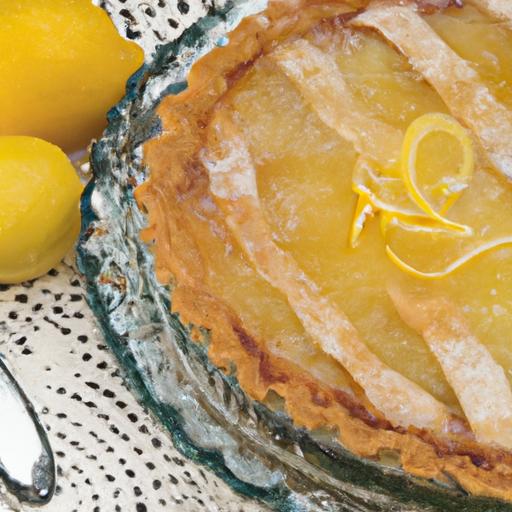

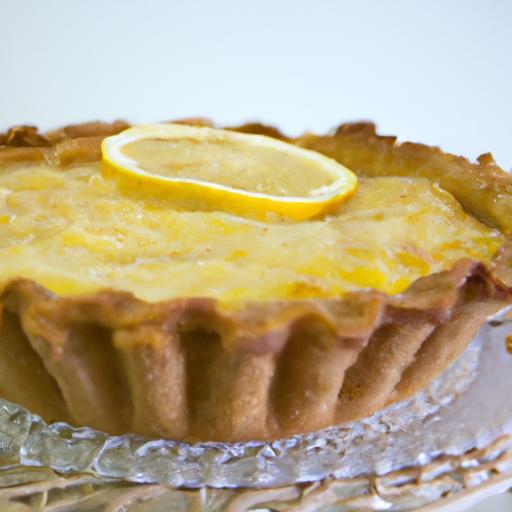
There’s something irresistibly bright and invigorating about the zing of lemon in a dessert-a burst of sunshine that dances on the palate and awakens the senses. Enter the zesty lemon crostata: a tangy tart tradition that marries rustic charm with vibrant flavor, inviting both novice bakers and seasoned pastry aficionados to explore its simple elegance. This beloved italian pastry, with its flaky golden crust and luscious lemon filling, transcends mere sweetness to offer a refreshing twist on classic tart-making. In this article, we unravel the history, technique, and secret to achieving that perfect balance of tart and tender-a journey into the heart of a timeless culinary gem that’s both familiar and delightfully surprising.
Zesty Lemon Crostata delights with its perfect marriage of tangy citrus and buttery,flaky crust,creating a bite that dances on the tongue. This rustic Italian tart, with roots steeped in regional tradition, brings a vibrant balance between bright lemon acidity and a subtle sweetness that enchants both novice bakers and seasoned pastry lovers alike. Every slice tells a story of craftsmanship, where the luscious lemon filling harmonizes with a delicate, golden crust that holds firm without overshadowing the tart’s lively center.
Prep and Cook Time
Preparation: 25 minutes | Chilling: 30 minutes | Baking: 35 minutes
Yield
Serves 8 generous slices
Difficulty Level
Medium – ideal for bakers ready to elevate their tart game with flaky pastry skills and flavor balancing expertise
Ingredients
- For the Crostata Crust:
- 1 ½ cups all-purpose flour, sifted
- ⅓ cup granulated sugar
- ½ tsp finely ground sea salt
- 10 tbsp (1 ¼ sticks) unsalted butter, cold and cubed
- 1 large egg yolk
- 2-3 tbsp ice-cold water
- 1 tsp finely grated lemon zest (from organic lemons)
- For the Tangy Lemon Filling:
- ¾ cup freshly squeezed lemon juice (about 4-5 lemons)
- 1 tbsp lemon zest, finely grated
- ¾ cup granulated sugar
- 3 large large eggs
- ¼ cup heavy cream
- 2 tbsp cornstarch
- 2 tbsp unsalted butter, cubed at room temperature
- optional: 1 tbsp finely chopped fresh rosemary or thyme leaves to subtly accentuate brightness
Instructions
- Prepare the Crostata Dough: In a large bowl, whisk together the flour, sugar, salt, and lemon zest. Add the cold cubed butter. Using a pastry cutter or your fingertips, quickly blend until the mixture resembles coarse crumbs with pea-sized butter chunks visible.
- Bind the Dough: Lightly beat the egg yolk with 2 tbsp ice water. Gently drizzle into the flour mixture,stirring with a fork until the dough just begins to come together. Add the remaining water by teaspoon if too dry.Avoid over-mixing to preserve flakiness.
- Chill: Shape the dough into a flat disc,wrap in plastic wrap,and refrigerate for at least 30 minutes. This resting period solidifies fats, ensuring a tender, crisp crust that won’t shrink or sag.
- Start the Lemon Filling: In a mixing bowl, whisk together the eggs, sugar, lemon juice, zest, and cornstarch until smooth. Stir in the cream to enrich the texture.
- Finish the Crust: Preheat oven to 375°F (190°C). Roll the chilled dough on a lightly floured surface into a 12-inch circle about ⅛ inch thick. Carefully transfer it to a 9-inch tart pan or a parchment-lined baking sheet for a freeform crostata.
- assemble the Crostata: Pour the lemon filling onto the crust, leaving about a 2-inch border. if desired, sprinkle in chopped fresh herbs evenly over the filling for delicate earthiness. Fold the edges of the dough inward, overlapping slightly to seal and create a rustic border.
- Bake: Place the crostata in the center of the oven. Bake for 30-35 minutes until the crust is a deep golden brown, and the filling is set but still slightly jiggly in the center. The edges should be crisp and flaky.
- Cool and Garnish: Let cool to room temperature on a wire rack. Dot the top with butter cubes immediately after baking for shine and richness as they melt gently. Garnish with thin lemon slices and a light sprinkle of powdered sugar if desired.
tips for Success
- Keep ingredients cold: Always use cold butter and chilled dough to ensure a flaky crostata crust that snaps delightfully when sliced.
- Balance lemon flavor: Adjust sugar slightly if your lemons are exceptionally tart. Fresh lemon zest in both crust and filling intensifies brightness without bitterness.
- Herb harmony: Fresh rosemary or thyme are subtle flavor enhancers that elevate the lemon filling when used sparingly.
- Freeform vs. Pan: For a rustic look, skip the tart pan and bake as a galette. This lends a charming imperfections that invite rustic elegance.
- Make-ahead: Dough can be prepared and frozen up to 3 days before baking. Wrap tightly to prevent freezer burn.
- Cracking filling fixes: Slight cracks are normal. To minimize, gently tap the filled tart on the counter before baking to release air bubbles.
Serving Suggestions
Slice the Zesty Lemon Crostata thinly to reveal the gleaming lemon custard embraced by a buttery golden crust. Serve chilled or at room temperature with a dollop of lightly whipped cream or a scoop of vanilla bean gelato. Garnish with a few vibrant fresh herb sprigs and thin lemon wheels to boost visual and aromatic appeal. Pair with a light herbal tea or sparkling water infused with mint for a refreshing accompaniment. This tart shines as an elegant finish to a summer meal or a bright counterpoint to cozy winter gatherings.

| Nutrient | Per Serving |
|---|---|
| Calories | 320 kcal |
| Protein | 5 g |
| Carbohydrates | 38 g |
| fat | 16 g |
Explore more fine pastry tips and seasonal tart recipes in our Artisan Crostata Recipe Collection. For in-depth understanding of citrus fruit’s culinary chemistry, visit ScienceDaily: Citrus Fruits.
Q&A
Q&A: Zesty Lemon Crostata – A Tangy Tart Tradition Unveiled
Q1: What exactly is a Lemon Crostata?
A1: A Lemon Crostata is a rustic Italian tart that showcases the bright, vibrant flavors of fresh lemons nestled within a buttery, golden crust. Unlike its more structured cousins,this crostata is free-form and crisply charming,capturing a perfect balance between sweet and tangy with every bite.
Q2: How does a Lemon Crostata differ from a conventional lemon tart?
A2: While both desserts celebrate lemon, the crostata stands apart with its artfully simple, open-faced design.Its crust is often thicker and flaky, folded playfully over the filling’s edges, giving it an inviting, homemade feel. Traditional lemon tarts tend to have precise, uniform shapes with smooth lemon curd inside a shortcrust base.
Q3: What makes the Lemon Crostata’s flavor profile so distinctive?
A3: The true star is the fresh lemon-zesty, bright, and tart-enhanced by a touch of sugar and sometiems a hint of vanilla or honey. This tanginess is beautifully contrasted by the buttery, slightly flaky crust, creating a dynamic interplay of textures and tastes that dance on your palate.
Q4: Is the crust for a Lemon Crostata difficult to make?
A4: Not at all! The crust is traditionally straightforward: flour, butter, sugar, and a pinch of salt, gently combined to form a tender dough.Its beauty lies in its simplicity and the way it’s folded over the filling, making the crostata both accessible for home bakers and irresistibly appetizing.
Q5: Can the recipe be adapted for different dietary needs?
A5: absolutely! For gluten-free adaptations, almond flour or a gluten-free flour blend can be used. Vegans might substitute butter with coconut oil or plant-based margarine and use aquafaba or flax eggs to bind the crust. The lemon filling is naturally light and frequently enough requires minimal alteration.
Q6: What occasions are perfect for serving a Lemon Crostata?
A6: This tart is versatile and festive-ideal for springtime gatherings, leisurely brunches, or as a refreshing dessert after a heavy meal. Its vibrant flavor and rustic appearance also make it a star item for picnics, tea parties, or even holiday feasts.
Q7: Are there any traditional variations of the Lemon Crostata?
A7: Yes! Some regional Italian recipes add ricotta cheese for creaminess, others sprinkle toasted almonds on top for a nutty contrast, or incorporate a drizzle of honey to enhance sweetness. Each variation adds a unique twist while honoring the tart’s zesty essence.
Q8: How should one best serve and store a Lemon Crostata?
A8: Serve it slightly warm or at room temperature to enjoy the full brightness of the lemon and the flaky crust’s texture. It can be stored covered in the refrigerator for up to three days-just bring it back to room temp before serving to rejuvenate its flavors.Q9: Why has the Lemon Crostata remained a beloved tradition?
A9: The Lemon Crostata endures because it embodies simplicity with sophistication-a humble pastry that bursts with character and sunshine. It’s a timeless tribute to seasonal ingredients, handmade craftsmanship, and the joyful ritual of sharing food steeped in cultural history.
Q10: Where can someone find authentic Lemon Crostata recipes or try one?
A10: Authentic recipes can be found in classic Italian cookbooks or through passionate food bloggers dedicated to regional Italian baking. For tasting,look for authentic Italian bakeries or trattorias,especially in regions like Tuscany or Campania,where rustic crostate are a cherished specialty.
The Way Forward
As the final crumb of this zesty lemon crostata melts away, we’re reminded that tradition and tanginess can dance together in perfect harmony. This tart, with its golden crust and vibrant citrus heart, is more than just a dessert-it’s a festivity of heritage and a bright burst of flavor that awakens the senses. Whether enjoyed with a quiet cup of tea or at a lively gathering, the lemon crostata invites us to savor not onyl its sunny taste but the stories and rituals baked into every bite. So next time you crave a treat that is both timeless and tantalizing, let this tangy tart tradition guide you back to the simple joys of zest and pastry intertwined.